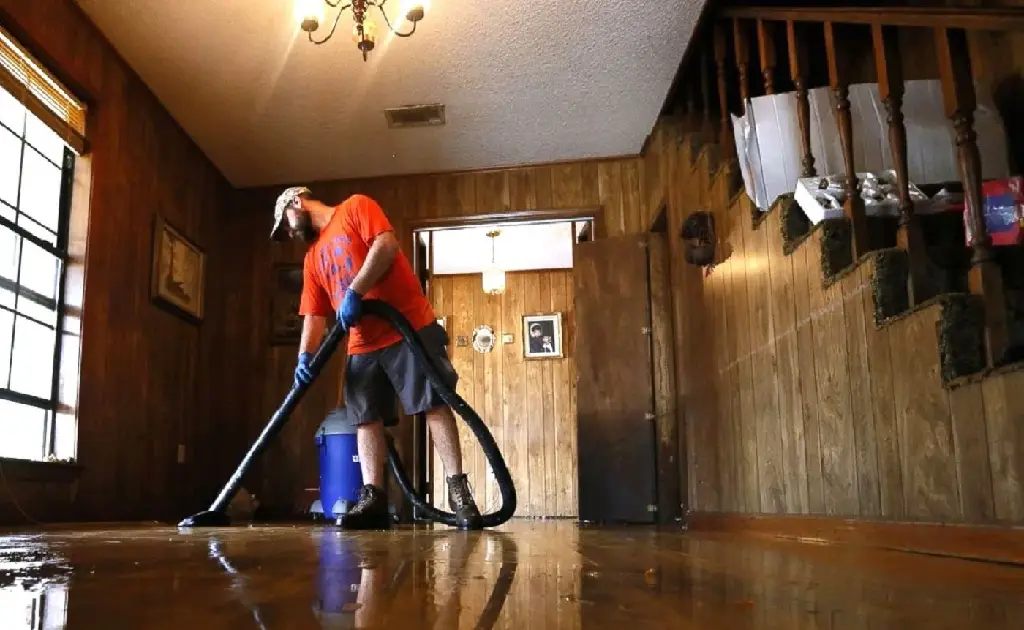
You’ve just discovered water damage in NYC pre-war buildings apartment, and now you’re wondering what to do next. Whether it’s from a burst pipe, roof leak, or sewage backup, water damage in these older buildings can be particularly tricky to handle. With so many potential risks, hidden leaks, structural issues, and mold growth, it’s important to act quickly and know what to expect from the water damage restoration process.
By reading this blog, you’ll learn:
- The common causes of water damage in pre-war buildings and why they’re more prone to these issues.
- How to spot hidden water damage behind thick plaster walls and the telltale signs to look for.
- The three categories of water damage (clean, gray, and black) and what they mean for your restoration process.
- The risk of mold growth and how quickly it can spread if not addressed promptly.
- Immediate steps to take after discovering water damage, and when to call a professional restoration company.
- What makes restoring pre-war buildings unique, and how to navigate the restoration challenges effectively.
At Golden Touch Restoration Specialist, we understand the unique challenges that come with restoring pre-war buildings. With over 2,500 successful projects and 99% client satisfaction, we’ve been helping homeowners navigate water damage restoration with expertise and efficiency. We’re here to make the process as smooth as possible so you can return to your normal routine quickly and safely.
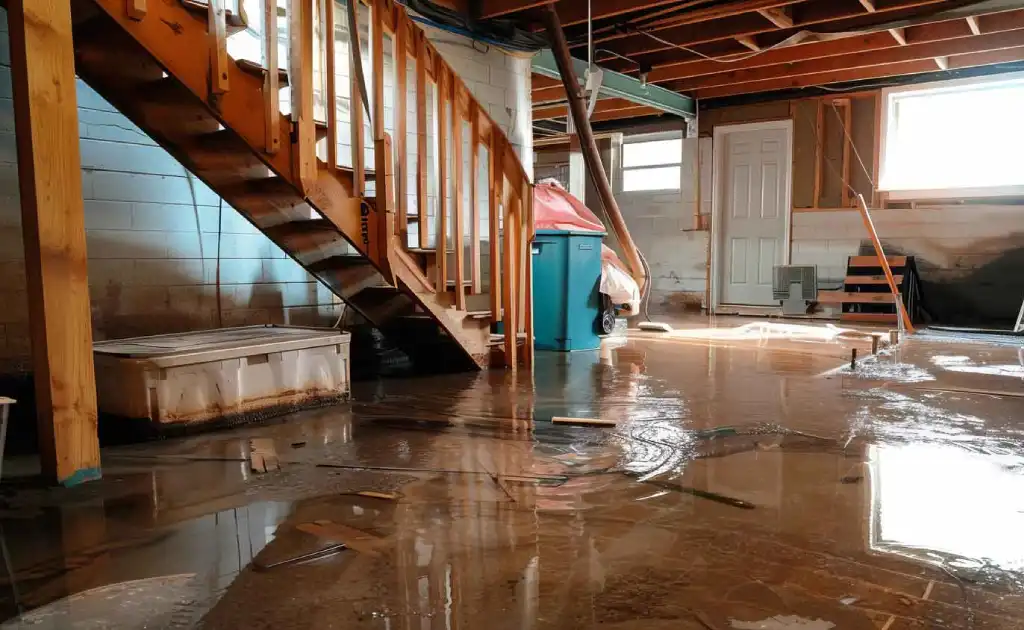
What Are the Most Common Causes of Water Damage in NYC Pre-War Buildings?
Burst pipes, frozen pipes, roof leaks, and sewage backups are the most common causes of water damage in pre-war buildings. The aging plumbing systems in these buildings are more susceptible to leaks, failures, and bursts.
The infrastructure in pre-war buildings, whether it’s the plumbing, the radiators, or the roofing, was built to last, but over time, it deteriorates. This means that issues like frozen pipes in winter, burst pipes, and overflowing radiators become more frequent. Add in potential roof leaks and sewage backups from aging plumbing, and the risk of having water or flood damage escalates.
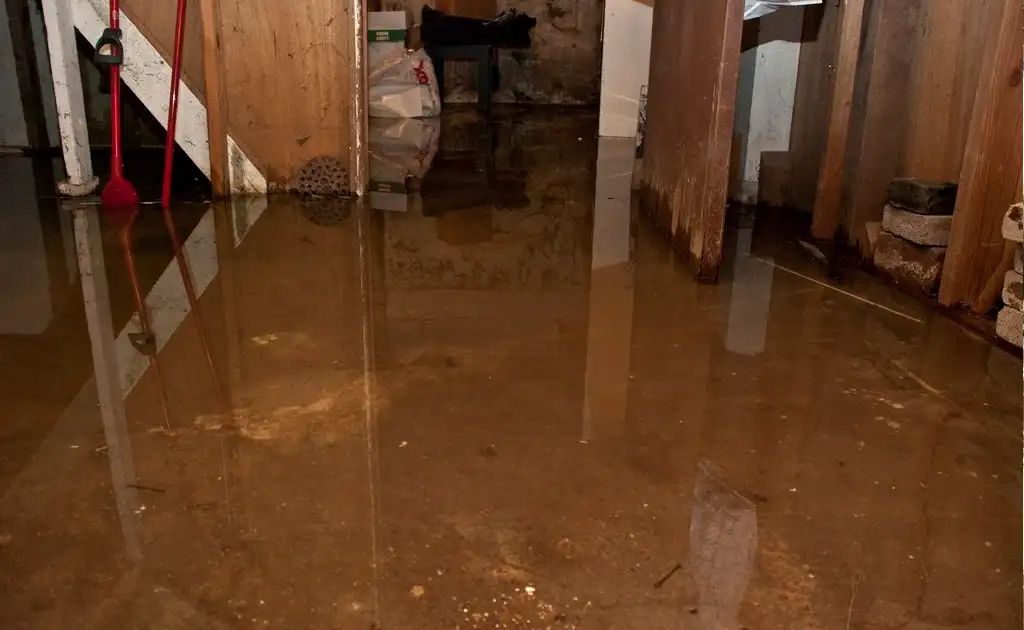
When Victor Hosten had a sewage backup in his basement, he didn’t wait he called us immediately. Within an hour, we were there, fixing the problem. “They were there within the hour, cleaned everything up fast, and made sure my basement was safe again,” he said.
How Can You Spot Hidden Water Damage in Pre-War Apartments?
You might not always see it, but hidden water damage is common in pre-war apartments. Look for ceiling stains, musty odors, and bubbling wallpaper. Plaster walls in pre-war buildings often hide slow leaks that can cause significant damage before they’re noticed. To protect your home, you should watch for signs of hidden water damage that often go unnoticed.
In pre-war buildings, the lath-and-plaster walls are thicker than modern drywall and can conceal water damage for longer periods. Even if there are no visible leaks, moisture can get trapped inside the walls, causing mold and structural weakening. Pay attention to musty smells or soft floors as these are often signs of hidden damage.
Just ask Rochelle Miller she had hidden mold behind her walls after water damage. “They cleared my mold issue, restored my apartment, and brought it back to life!” Rochelle said. We’re here for all those hidden water damage issues that could otherwise go unnoticed.
What Do the Three Categories of Water Damage Mean for Your Home?
Water damage is classified into three categories: Category 1 (clean water), Category 2 (gray water), and Category 3 (black water). Category 3, which includes sewage and floodwater, is the most dangerous and requires immediate professional help.
Category 1 is clean water from a supply line or rainwater. Category 2 is water that has been contaminated, such as from a dishwasher or washing machine. Category 3 water is highly contaminated, coming from sources like sewage backups or floodwater. These categories have varying levels of health risks and require different restoration processes, especially when raw sewage cleaning up is required for safety.
When Victor Hosten had a sewage backup in his basement, he knew he needed professional help. “They were there immediately and started cleaning up right away,” Victor said. Category 3 water needs a quick and thorough response just like Golden Touch Restoration Specialist provided.
Why Choose Golden Touch Restoration Specialist?
IICRC-Certified & Fully Licensed/Insured Team
Our professionals are trained to meet industry standards and use advanced equipment and techniques, ensuring your restoration is done safely, thoroughly, and in full compliance with regulations.
Free Consultations & Estimates – No Hidden Costs
We provide transparent pricing with no hidden fees. Our free consultations and no-obligation estimates ensure you have peace of mind before any work begins, with no surprises along the way.
Specialized in NYC-Specific Damage Challenges
We are experts in handling the unique issues faced by older buildings, including burst pipes, flood damage restoration needs, sewage backups, puffback incidents, and hidden mold common in both dense urban properties and Elmont NY homes.
One-Stop Comprehensive Restoration
We offer full-service restoration under one trusted roof: from water extraction & drying to fire damage restoration and soot cleanup, professional mold removal, raw sewage decontamination, emergency board up service, and air duct cleaning. No need to call multiple contractors, we handle it all.
Customer-First, Stress-Reducing Approach
Our team is polite, respectful, and committed to clear, step-by-step communication. We provide frequent updates and focus on restoring both your property and your peace of mind, making the restoration process as stress-free as possible.
If you’ve experienced water damage in your pre-war building, don’t wait. Contact Golden Touch Restoration Specialist at (347) 551-8094 for a free inspection and immediate help. We’re available 24/7 to restore your home and get things back to normal, fast.
FAQ Section
What types of water damage are covered by restoration companies?
Restoration companies cover water damage from burst pipes, roof leaks, flooding, and sewage backups. They handle water extraction, drying, mold remediation, and repairs to affected areas.
How do professionals determine the extent of water damage?
Professionals use moisture meters, infrared cameras, and visual inspections to assess the extent of water damage, including hidden moisture pockets.
What are the long-term effects of water damage if not properly restored?
Water damage left untreated can lead to mold growth, structural weakening, rot, rust, and expensive repairs.
Can water damage restoration companies help with mold removal?
Yes, restoration companies offer mold remediation services to safely remove mold and prevent future growth.
What is the difference between water mitigation and water restoration?
Water mitigation involves preventing further damage by removing water and drying affected areas, while water restoration repairs and rebuilds the damaged property.
Conclusion
Whether it’s burst pipes, roof leaks, or sewage backups, Golden Touch Restoration Specialist is here to help. We’re IICRC certified, and our team has the experience, equipment, and commitment to restore your property safely and efficiently.
With over 2,500 projects completed and a 99% client satisfaction rate, we’re proud to be the go-to experts for water damage restoration in NYC’s pre-war buildings. Our fast response times and professional service ensure that your home is in good hands, even during emergencies.
Contact us at (347) 551-8094 for a free consultation. Let us restore your home to its pre-damage condition, and give you peace of mind in the process.