Living in Elmont, NY, you might notice a musty smell in your basement or see unusual patches on bathroom tiles. These could be signs of mold or mildew, both fungi that thrive in damp environments.
They differ in ways that affect your home and health. Understanding these differences helps you protect your property and family. This guide explains what sets mold apart from mildew, covers their health impacts, provides prevention strategies, and details professional remediation, all tailored for Elmont residents facing Long Island’s humid conditions.
Telling mold and mildew apart isn’t always easy just by looking at a stain, and guessing wrong can mean treating a serious problem like a cosmetic one. If you’re still unsure after reading the differences above, it’s worth having it looked at properly. our certified Elmont mold removal specialists can test the affected area, confirm exactly what you’re dealing with, and recommend the right next step before it spreads further.
Don’t wait for it to get worse reach out to Golden Touch Restoration Specialist at (347) 551-8094 and we’ll walk you through the next step.
By the end, you’ll know how to:
- Identify mold and mildew in your home.
- Understand their health risks, especially for allergies and asthma.
- Apply prevention tips to keep your property safe.
- Recognize when professional remediation is needed.
Understanding Mold and Mildew
Mold and mildew are fungi that grow in moist, warm environments, common in Elmont, NY, where summer humidity averages 60 to 70 percent, according to NOAA climate data. While similar, they have distinct characteristics that impact how you address them in your home or business.
Mold includes species like Stachybotrys chartarum, Aspergillus, Cladosporium, Penicillium, and Alternaria. It thrives in damp, poorly ventilated areas such as basements, attics, or behind walls. Mold appears fuzzy, slimy, or patchy in colors like black, green, blue, white, or yellow. It spreads through mold spores, microscopic particles that travel through the air and settle on surfaces, starting new growth if conditions are favorable. Mold penetrates materials like drywall, wood, or insulation, posing a structural risk by weakening your home over time.
Mildew, often an early-stage fungus, grows on surfaces like fabrics, plants, or bathroom tiles. It appears as powdery or downy patches, starting white or gray and sometimes turning yellowish or brownish. Common types include powdery mildew on plants and downy mildew on fabrics. Mildew is less invasive than mold but can still damage materials like clothing or upholstery.
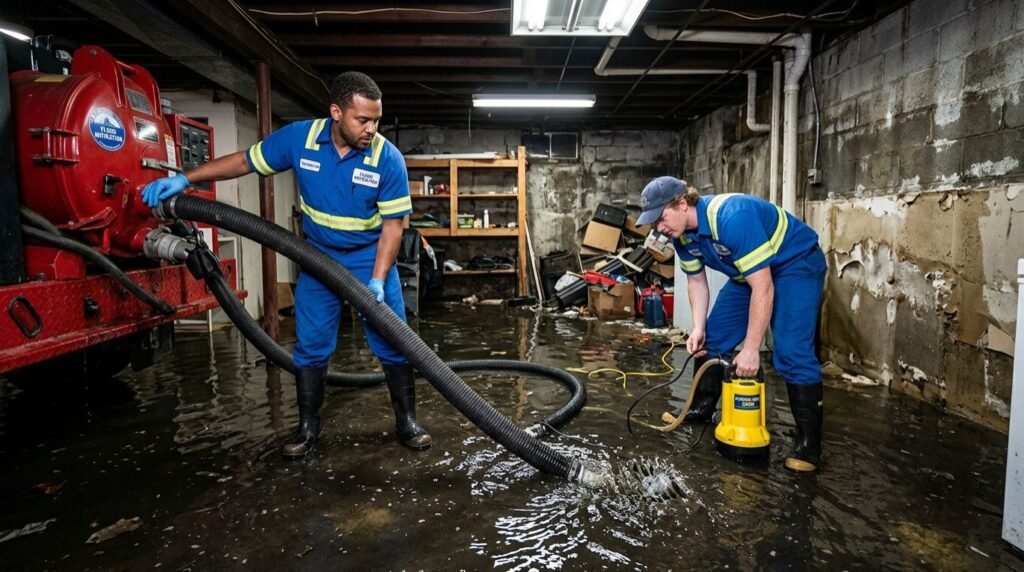
In Elmont, high humidity and occasional flooding create ideal conditions for both fungi. A leaky pipe might foster mildew on bathroom grout, while mold could grow behind walls after water damage. Recognizing these fungi early helps you act before they spread. The next section details their differences to guide identification.
For more information on dealing with mold, check out our How to Identify and Remove Mold article.
Key Differences Between Mold and Mildew
Identifying whether you’re dealing with mold or mildew is key to addressing the issue effectively, especially in Elmont homes where moisture is prevalent. Below is a detailed comparison based on appearance, growth patterns, locations, and impacts.
Appearance:
Mold looks fuzzy, slimy, or irregularly patchy, with colors like black (Stachybotrys chartarum), green (Aspergillus), or white (Penicillium). Black mold might appear as dark, wet spots in a damp basement. Mildew is powdery or downy, typically white or gray, sometimes turning yellowish or brownish. Powdery patches on a shower curtain suggest mildew, while fuzzy green spots on drywall indicate mold.
Growth Patterns:
Mold grows on and beneath surfaces, penetrating materials like wood, drywall, or carpet. This deep growth makes it harder to remove and more damaging to structures. Mildew remains surface-level, affecting fabrics, tiles, or plants. Mildew might coat damp laundry, while mold could infiltrate insulation after a flood.
Locations:
Mold thrives in hidden areas like behind walls, under flooring, or in crawlspaces. Older Elmont homes with poor ventilation are particularly susceptible. Mildew prefers visible surfaces such as bathroom tiles, fabrics, or plant leaves. You might notice mildew on a damp towel, but mold could lurk in a basement corner.
Impact:
Mold’s deep growth can weaken structural materials, leading to costly repairs. Mildew damages surface materials like fabrics or plants but is less likely to affect a building’s integrity. Both degrade indoor air quality, but mold’s impact is more severe due to its spore production.
Imagine mold as a deep-rooted weed spreading underground, while mildew is like surface moss, easier to clear but still problematic.
Mold and mildew can impact health, particularly in Elmont’s humid climate, where poor ventilation increases exposure risks. Understanding these effects, especially for sensitive groups like children or those with asthma, emphasizes the need for prompt action.
Mold poses significant health concerns due to its airborne mold spores and potential to produce mycotoxins. The CDC states that mold exposure can trigger allergic reactions, including sneezing, itchy eyes, runny nose, or rashes. For individuals with asthma, mold can worsen symptoms or cause attacks. Severe cases, particularly with Stachybotrys chartarum or Aspergillus, may lead to mycotoxin-related symptoms like headaches, fatigue, or neurological issues. The EPA notes that children, the elderly, and immunocompromised individuals face higher risks. In Elmont, where humidity fuels mold growth, basements and bathrooms are common hotspots. A family with asthma might notice worsened symptoms in a moldy home.
Mildew is less severe but still problematic. It can cause mild allergic reactions like coughing, sore throat, or itchy eyes, along with discomfort from its musty odor. Prolonged exposure may aggravate allergies, but mildew doesn’t produce mycotoxins, making it less dangerous. In Elmont’s humid homes, mildew on bathroom tiles or damp fabrics can still affect air quality.
Specific molds like Cryptococcus neoformans or Histoplasma capsulatum are linked to rare infections in immunocompromised individuals. Trichoderma and Fusarium can cause allergies or infections in certain conditions. Mildew, while less harmful, can exacerbate respiratory issues if ignored.
If you’re in Elmont and experiencing persistent coughing or allergies, mold or mildew could be the cause. Addressing these issues quickly protects your household, especially for high-risk groups. The next section covers prevention strategies to keep fungi at bay.
Prevention Tips for Elmont Homes and Businesses
Preventing mold and mildew is more cost-effective than remediation, especially in Elmont, NY, where humidity and water damage are common. Below are detailed strategies tailored to local conditions to help you keep your property safe.
- Control Humidity: Elmont’s summer humidity, often 60 to 70 percent per NOAA, fuels fungal growth. Use dehumidifiers in basements, bathrooms, and attics to keep indoor humidity below 50 percent, as recommended by the EPA. A dehumidifier in an Elmont basement can prevent mold. Empty tanks regularly to maintain effectiveness.
- Fix Leaks Promptly: Leaky pipes, roofs, or windows create moisture pockets ideal for fungi. Inspect plumbing and roofing yearly, especially after Long Island’s heavy rains. A small bathroom leak can lead to mildew on grout or mold behind walls if ignored.
- Ensure Ventilation: Poorly ventilated areas trap moisture, encouraging fungal growth. Use exhaust fans in bathrooms and kitchens, and open windows when weather permits. In older Elmont homes, attics and crawlspaces often lack airflow, so consider installing vents or fans.
- Dry Wet Areas Quickly: After spills or floods, dry carpets, furniture, and walls within 24 to 48 hours. Mold remediation starts with moisture control, as spores can grow in a day if moisture persists. Use fans or dehumidifiers for larger incidents.
- Clean and Store Fabrics Properly: Mildew thrives on damp fabrics like towels or curtains. Wash and dry laundry thoroughly before storing, and avoid leaving wet clothes in washing machines. In Elmont’s humid climate, store fabrics in ventilated areas or use moisture-absorbing packets.
- Regular Inspections: Check basements, bathrooms, and crawlspaces for musty odors, discoloration, or powdery patches. Early detection prevents escalation in Elmont’s moisture-prone environment.
A homeowner in Elmont’s Manhasset area prevented mildew by using a dehumidifier in their laundry room. Learn how to keep your Elmont property mold-free with these proactive steps.
For additional prevention steps, check out our How to Remove Mold from Walls guide.
Mold Types and Their Specific Risks
Understanding specific mold types common in Elmont homes helps you assess the urgency of remediation. Each type has unique traits and risks, particularly in humid conditions.
- Stachybotrys chartarum: Known as black mold, it appears dark and slimy, growing on water-damaged materials like drywall. It produces mycotoxins, which can cause severe respiratory issues, fatigue, or neurological symptoms, per the CDC. In Elmont, it’s common in flood-prone basements.
- Aspergillus: Green or yellow, this mold grows in damp areas like attics. It causes allergic reactions or aspergillosis, a lung infection, in immunocompromised individuals. Poorly ventilated Elmont homes are at risk.
- Cladosporium: Black or green, it grows on fabrics, carpets, or HVAC systems, triggering allergies and asthma. Elmont families with allergies may notice worsened symptoms.
- Penicillium: Blue or green, it spreads quickly on water-damaged wallpaper or insulation. While used in antibiotics, indoor growth causes allergies or respiratory issues.
- Alternaria: Common in damp bathrooms or kitchens, this mold is a major allergen, causing asthma or skin irritation. It’s prevalent in Elmont homes with leaky plumbing.
- Acremonium: White or pink, it grows in humid areas like window sills, causing allergies or infections in rare cases.
- Chaetomium: Found in water-damaged drywall, it produces a musty odor and can trigger allergies.
- Ulocladium: Black or brown, it grows in wet areas like basements, causing respiratory issues.
- Serpula: Yellow or brown, it affects wood, leading to structural damage in Elmont homes.
- Mucormycetes: Rare but dangerous, it can cause infections in immunocompromised individuals.
These molds thrive in Elmont’s humid conditions, especially after water damage. Regular inspections and moisture control prevent their spread.
Mildew Types and Their Effects
Mildew, while less invasive, comes in forms that affect Elmont homes. Knowing these helps you address surface issues before they escalate.
- Powdery Mildew: White or gray powdery spots on plants or fabrics, it causes aesthetic damage and weakens plants, reducing yields in Elmont gardens.
- Downy Mildew: Yellowish, turning brownish, it grows on damp fabrics or plant leaves, creating musty odors and ruining clothing or upholstery.
- Aureobasidium: Pink or black patches on painted surfaces or wood, common in Elmont bathrooms, damaging wall finishes.
Mildew’s surface growth makes it easier to clean, but it requires attention to prevent material damage and mild health effects. Wiping tiles with vinegar removes powdery mildew, while washing fabrics prevents downy mildew spread.
Environmental Factors in Elmont, NY
Elmont’s climate and housing contribute to mold and mildew growth. Long Island’s humid subtropical climate, with summer humidity at 60 to 70 percent (NOAA), creates ideal fungal conditions. Winter brings lower humidity, but indoor heating traps moisture in poorly ventilated homes, sustaining mildew. Older Elmont homes, built before modern ventilation standards, often have damp basements or crawlspaces prone to mold. FEMA data highlights flooding risks in Nassau County, increasing mold after water damage.
Seasonal changes play a role. Spring and summer rains cause leaks or flooding, while fall leaf litter traps moisture near foundations. Homeowners should inspect roofs, gutters, and downspouts regularly. Businesses, like Elmont restaurants, face risks in kitchens or storage areas with poor airflow. Addressing these factors reduces fungal growth.
DIY vs. Professional Remediation
For small mildew patches (under 10 square feet), DIY cleaning is feasible with precautions. Use vinegar, hydrogen peroxide, or baking soda in a spray bottle. Spray vinegar on mildewed tiles, wait 10 minutes, scrub, and rinse. Wear gloves, N-95 masks, and goggles to avoid inhaling spores. Wash fabrics with hot water and dry thoroughly.
Mold, especially Stachybotrys or Aspergillus, requires professional attention for areas over 10 square feet or hidden growth. Improper handling spreads spores, worsening health risks or damage. Professionals use containment, HEPA filtration, and specialized cleaners for safe removal. In Elmont, where humidity accelerates mold, expert intervention prevents recurrence.
Long-Term Maintenance Strategies
Sustaining a mold- and mildew-free home in Elmont requires ongoing effort. Consider these strategies:
- Upgrade Ventilation: Install exhaust fans or whole-house ventilation in older homes. Businesses should maintain HVAC systems to prevent mold in ducts.
- Monitor Air Quality: Use hygrometers to track humidity. Readings above 50 percent signal a need for dehumidifiers.
- Schedule Inspections: Check high-risk areas quarterly, especially after Nassau County rains or floods.
- Seal Vulnerable Areas: Apply waterproof sealants to basements or exterior walls to reduce moisture.
A Manhasset business owner avoided mold by sealing their basement and using a dehumidifier year-round. These measures create a resilient defense against fungi.
Professional Mold Removal with Golden Touch
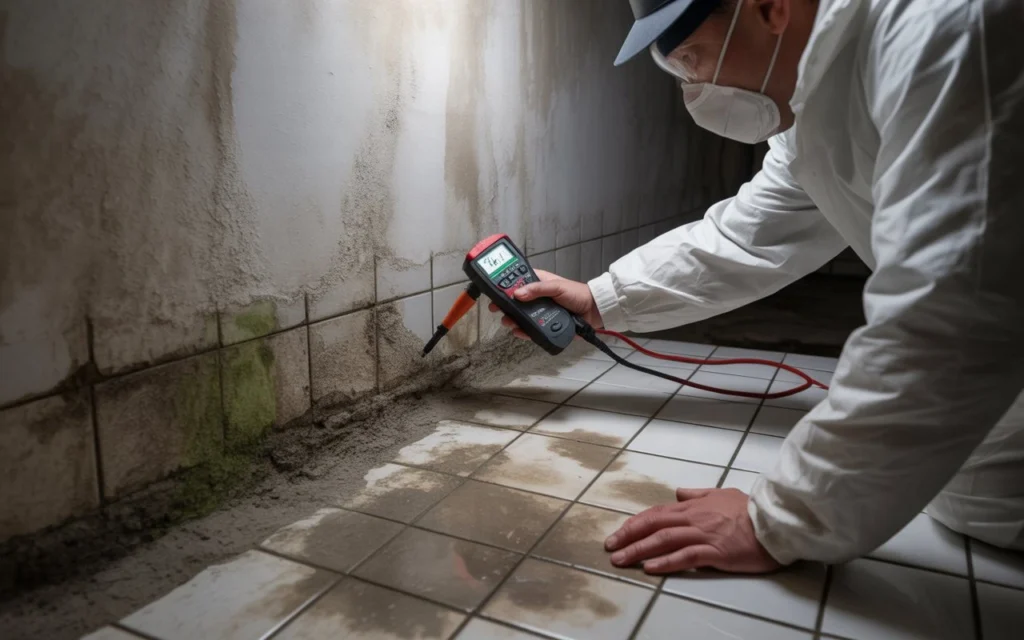
When mold or mildew becomes a problem, professional remediation ensures safe, thorough removal. At Golden Touch Restoration Specialist, we serve Elmont, NY, and areas like Manhasset with expertise. Our process starts with a mold inspection using moisture meters and thermal imaging to detect hidden mold. We contain the area to prevent spore spread, using barriers and negative air pressure. Removal involves HEPA vacuums and specialized cleaners, followed by addressing moisture sources like leaks or poor ventilation.
Our local expertise suits Elmont’s humidity and flooding risks. A client, Rochelle Miller, shared in a Google review: “Golden Touch restored my home after water damage and mold with remarkable care.” We follow industry standards for safety and effectiveness, handling species like Stachybotrys chartarum or Cladosporium with precision.
Why Our Mold Removal? We Put Your Needs First
When mold or mildew appears in your Elmont home, you need fast, reliable, and expert help. Golden Touch Restoration Specialist provides trusted restoration and remediation solutions backed by certified expertise, advanced technology, and 24/7 emergency response. We handle every case, from small mildew outbreaks to severe black mold infestations, with precision and care.
24/7 Emergency Response: Our team is available around the clock to handle mold and mildew emergencies before they cause further damage.
Certified Restoration Experts: Led by professionals like Dewayne and Taniesha, our licensed and insured team follows EPA and IICRC standards for every project.
Comprehensive Services: From inspection and testing to full remediation and prevention, we offer complete mold and mildew restoration solutions for homes and businesses in Elmont, NY.
State-of-the-Art Equipment: We use advanced moisture detection, HEPA filtration, and thermal imaging tools to locate and remove hidden mold effectively.
Customer-Focused Approach: Every service is customized to your situation, ensuring transparent communication, upfront pricing, and respect for your property throughout the process.
Proven Track Record: With over 60 five-star reviews, Elmont residents trust us for our reliability, professionalism, and lasting results.
Affordable Rates & Free Consultations: We provide honest, competitive pricing and free inspections to help you take action quickly and confidently.
At Golden Touch Restoration Specialist, we don’t just remove mold and mildew. We restore safety, comfort, and peace of mind to your property. Whether it’s a small bathroom issue or widespread mold contamination, our Elmont team is ready 24/7 to help you breathe easier and live healthier.
FAQs About Mold and Mildew
How can I tell if it’s mold or mildew?
Check texture and location. Mold is fuzzy or slimy, often black or green, in hidden areas like basements. Mildew is powdery, white or gray, on tiles or fabrics. In Elmont, mildew might coat towels, while mold hides in crawlspaces. A professional inspection confirms the issue.
Is mildew as harmful as mold?
Mildew causes mild allergies or coughing, while mold, like black mold, triggers asthma or respiratory issues. Both affect air quality, but mold is more hazardous. Addressing either promptly protects Elmont homes.
How long before mildew turns to mold?
Mildew doesn’t become mold, but untreated moisture can lead to mold in 24 to 48 hours. Using dehumidifiers prevents escalation in Elmont.
Does mold go away if it dries?
Drying stops mold, but spores remain dormant and can reactivate with moisture. Professional mold remediation Elmont ensures complete removal.
How to get rid of mildew?
Wipe mildew with vinegar or a cleaner. Wash and dry fabrics thoroughly. In Elmont, ventilation prevents recurrence. Persistent issues need professional help.
Can you get rid of mildew permanently?
Consistent prevention humidity control, ventilation, and quick drying keeps mildew at bay. Regular Elmont checks maintain a mildew-free home.
Does mildew go away in winter?
Mildew slows in winter due to lower humidity but persists in poorly ventilated areas. Inspections and ventilation keep Elmont properties safe.
Summary and Next Steps
Mold and mildew, while similar, differ in appearance, growth, and impact. Mold’s deep penetration and health risks, like asthma or mycotoxin exposure, make it more serious than surface-level mildew. In Elmont’s humid climate, prevention using dehumidifiers, fixing leaks, and ensuring ventilation is key. For significant mold issues, professional remediation ensures safety. Regular inspections and maintenance protect your property long-term. Take control of your Elmont home’s health today.
Call Golden Touch Restoration Specialist at (347) 551-8094 for a free mold inspection.