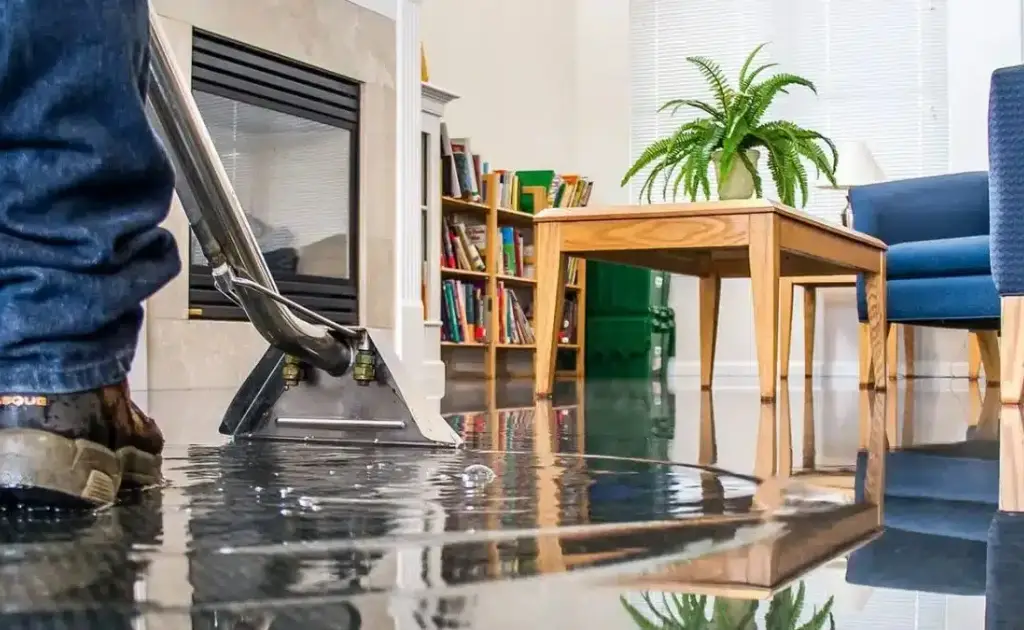
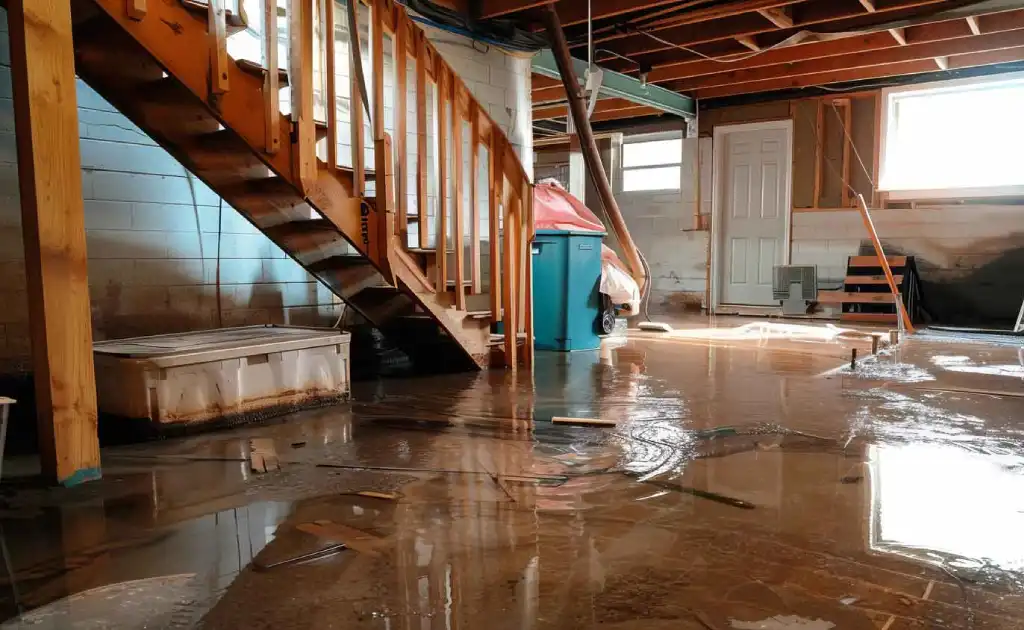
Have you noticed a damp, musty smell in your Elmont, NY basement or garage? Perhaps you’ve seen unusual patches on your concrete floors or walls and wondered if they could be mold. In Elmont, where humid summers and occasional flooding from Long Island storms are common, concrete surfaces can become breeding grounds for mold.
This fungus thrives in moist environments, posing risks to your health and property. Mold can trigger allergies, asthma, or respiratory issues and weaken your home’s structure over time. Understanding how mold grows on concrete and how to prevent it is essential for maintaining a safe, healthy environment in your Elmont home or business.
By the end of this guide, you’ll know how to:
- Identify mold on concrete and distinguish it from other substances.
- Understand the health and property risks of mold in Elmont.
- Apply seven practical prevention strategies tailored to local conditions.
- Safely address mold growth with professional or DIY methods.
- Recognize when to seek expert help for mold remediation in Elmont, NY.
Can Mold Grow on Concrete?
Concrete seems like a solid, impenetrable material, but it’s not immune to mold. Its porous structure contains tiny holes that trap moisture, creating an ideal environment for mold spores to settle and grow. Mold needs three key elements to thrive: moisture, warmth, and organic material. While concrete itself isn’t a food source, dust, dirt, leaves, or other debris on its surface provide enough nutrients for mold to flourish. In Elmont, NY, the local climate increases this risk.
Summer humidity often exceeds 60%, and Long Island’s frequent storms can leave concrete damp, especially in basements, garages, or crawl spaces. A 2020 Environmental Protection Agency (EPA) study found that indoor humidity above 60% significantly increases mold growth on porous materials like concrete. Common molds, such as Stachybotrys chartarum (black mold), Aspergillus, and Penicillium, can take hold if conditions are right.
For example, a damp basement in Elmont after a heavy rain can become a mold hotspot within 24-48 hours. Regular maintenance, such as cleaning surfaces and controlling moisture, helps reduce the likelihood of mold growth in your property.
Identifying Mold on Concrete
Spotting mold on concrete in your Elmont property can be challenging, as it often resembles dirt, algae, or other substances. Knowing what to look for helps you act quickly. Mold appears in various forms, each with distinct characteristics:
- Black Mold (Stachybotrys chartarum): Dark, slimy patches or spots, often found in damp basements or poorly ventilated areas. Its toxic nature makes early detection vital.
- Green Mold (Aspergillus, Penicillium): Powdery or velvety patches, typically green or bluish, common on outdoor concrete like patios or driveways in shady, moist areas.
- White Mold: Fluffy or powdery, often mistaken for efflorescence, a white mineral deposit left when water evaporates from concrete.
- Brown Mold: Earthy, brownish spots, typically in garages or basements, posing mild health risks but still damaging to surfaces.
To distinguish mold from efflorescence, try a simple test: wipe the surface with a damp cloth. Efflorescence dissolves easily, while mold requires scrubbing and may leave a stain. A musty odor is another clue, especially in Elmont’s humid basements or garages.
For instance, a homeowner in Elmont might notice a persistent smell in a basement after a storm, signaling mold growth. If you’re unsure, professional testing provides accurate confirmation. Regular inspections of concrete surfaces in high-risk areas like basements or outdoor patios can help you catch mold early before it spreads.
For more information on identifying mold and other substances, check our How to Identify and Remove Mold article.
Health and Property Risks of Mold on Concrete
Mold on concrete poses significant risks to your health and property, particularly in Elmont, NY, where environmental conditions amplify these concerns. From a health perspective, mold exposure can cause a range of issues, especially for vulnerable groups like children, the elderly, or those with pre-existing conditions. Here’s a closer look:
- Respiratory Issues: Inhaling mold spores can lead to coughing, wheezing, or shortness of breath. The EPA reports that mold exposure worsens asthma symptoms in 20-25% of affected individuals, a concern for Elmont families with asthmatic members.
- Allergies: Mold triggers allergic reactions, including sneezing, itchy eyes, or skin irritation. These symptoms are particularly bothersome during Elmont’s humid summers.
- Toxic Effects: Stachybotrys chartarum produces mycotoxins, which can cause severe symptoms like fatigue, headaches, or neurological issues with prolonged exposure. Aspergillus may also pose risks for immunocompromised individuals, leading to infections in rare cases.
For your property, mold is equally damaging. Over time, it breaks down concrete’s integrity, causing cracks, crumbling, or discoloration. In Elmont’s competitive real estate market, mold can reduce property value by thousands of dollars, as buyers avoid homes with musty odors or visible damage.
For commercial properties, mold creates unsafe environments, potentially disrupting operations or deterring customers. For example, a moldy concrete floor in an Elmont warehouse could lead to costly repairs and downtime. The longer mold persists, the more extensive the damage becomes. Addressing mold promptly protects your health and preserves your property’s value, especially in Elmont’s flood-prone areas.
Why Does Mold Grow on Concrete in Elmont, NY?
Mold growth on concrete in Elmont, NY, results from a combination of environmental and structural factors that create favorable conditions for mold. Understanding these causes helps you take preventive action:
- Moisture: The primary driver of mold growth, moisture comes from water leaks, flooding, or condensation. Elmont’s humid summers, often exceeding 70% humidity, and Long Island’s frequent storms keep concrete damp. A 2021 National Weather Service report noted that Long Island experiences heavy rainfall events, increasing flood risks in low-lying areas like Elmont. For example, a flooded basement after a storm can remain wet for days, inviting mold.
- Poor Ventilation: Enclosed spaces like basements, garages, or crawl spaces trap humid air, preventing concrete from drying. Many older Elmont homes lack adequate airflow in these areas, exacerbating the problem.
- Organic Debris: While concrete isn’t a food source, dust, dirt, leaves, or other debris on its surface provide nutrients for mold. Outdoor concrete slabs in Elmont, such as patios or driveways, often accumulate leaves or pollen, creating ideal conditions.
Real-world scenarios illustrate these risks. A clogged gutter causing water to pool near a foundation or a leaky pipe in a basement can keep concrete moist, encouraging mold growth. Regular inspections and maintenance, such as checking for leaks or improving airflow, can address these issues before mold takes hold. In Elmont, where flooding and humidity are common, staying proactive is essential to keep concrete surfaces mold-free.
7 Ways To Prevent Mold on Concrete
Preventing mold on concrete in your Elmont home or business requires proactive steps tailored to the local climate and property conditions. Below are seven detailed strategies to keep your concrete surfaces mold-free, each designed to address Elmont’s unique environmental challenges:
Fix Water Leaks Promptly
Water leaks from plumbing, roofs, or flooding are common in Elmont, especially after heavy rains. Inspect pipes, roofs, and foundations regularly to identify leaks early. If flooding occurs, dry the affected area within 24-48 hours to prevent mold growth. For example, a small pipe leak in a basement can dampen concrete floors, creating a mold hotspot. Acting quickly by repairing leaks or drying flooded areas reduces moisture, the primary cause of mold.
Improve Ventilation
Poor airflow in basements, garages, or crawl spaces traps humid air, keeping concrete damp. Use fans, open windows, or install exhaust systems to promote air circulation. In Elmont’s humid climate, ventilation is critical to prevent condensation on concrete surfaces. For instance, a garage with no windows can become a breeding ground for mold if air doesn’t circulate. Regular air duct cleaning also improves indoor air quality, reducing moisture buildup in enclosed spaces.
Use Dehumidifiers
Keeping indoor humidity below 60% is essential for mold prevention, especially in Elmont’s damp summers. Dehumidifiers are highly effective in basements or garages, where humidity tends to accumulate. Place a dehumidifier in high-risk areas and empty its reservoir regularly to maintain effectiveness. The EPA recommends maintaining humidity between 30-50% to minimize mold risk. A homeowner in Elmont might use a dehumidifier in a basement to keep concrete floors dry after heavy rainfall.
Apply Waterproof Sealants
Waterproof sealants create a protective barrier on concrete surfaces, preventing moisture from seeping into the pores. Apply sealants to basement floors, garage slabs, or outdoor patios, especially in Elmont’s wet climate. Professional-grade sealants provide long-lasting protection, reducing the risk of mold growth. For example, sealing a concrete patio exposed to frequent rain can prevent water from pooling and fostering mold. Regular reapplication, every few years, ensures continued protection.
Clean Regularly
Removing dust, dirt, leaves, or other organic debris from concrete surfaces eliminates mold’s food source. Sweep or vacuum indoor concrete weekly, and pressure-wash outdoor surfaces like driveways or patios annually. In Elmont, where pollen, leaves, and dirt are common, regular cleaning is a simple yet effective defense. For instance, a concrete driveway covered in fallen leaves after a storm can trap moisture, encouraging mold. Keeping surfaces clean reduces this risk significantly.
Monitor Humidity with Hygrometers
A hygrometer measures indoor humidity, helping you detect mold-prone conditions. Aim for humidity levels below 60%, especially during Elmont’s humid summers. Place hygrometers in basements, garages, or crawl spaces and check them weekly. If levels rise, take action by running a dehumidifier or improving ventilation. For example, a homeowner noticing high humidity in a garage can adjust conditions before mold forms. Hygrometers are affordable tools that provide peace of mind.
Ensure Proper Drainage
Poor drainage allows water to pool near concrete, increasing mold risk. Clear gutters and downspouts regularly to direct water away from your foundation. In Elmont’s flood-prone areas, consider landscaping solutions like French drains or grading to divert water. For instance, water pooling near a basement wall after heavy rain can seep into concrete, creating a mold-friendly environment. Proper drainage systems help keep concrete dry and mold-free.
For more tips on managing humidity, check out our Duct Cleaning Homes Businesses blog.
How To Remove Mold Safely
Removing mold from concrete requires careful steps to protect your health and prevent regrowth. While small patches can be managed with DIY methods, larger infestations need professional expertise. Below is a detailed guide to both approaches, ensuring safe and effective mold removal in Elmont, NY:
DIY for Small Areas
For minor mold growth (less than 10 square feet), such as a small patch in a garage, follow these steps:
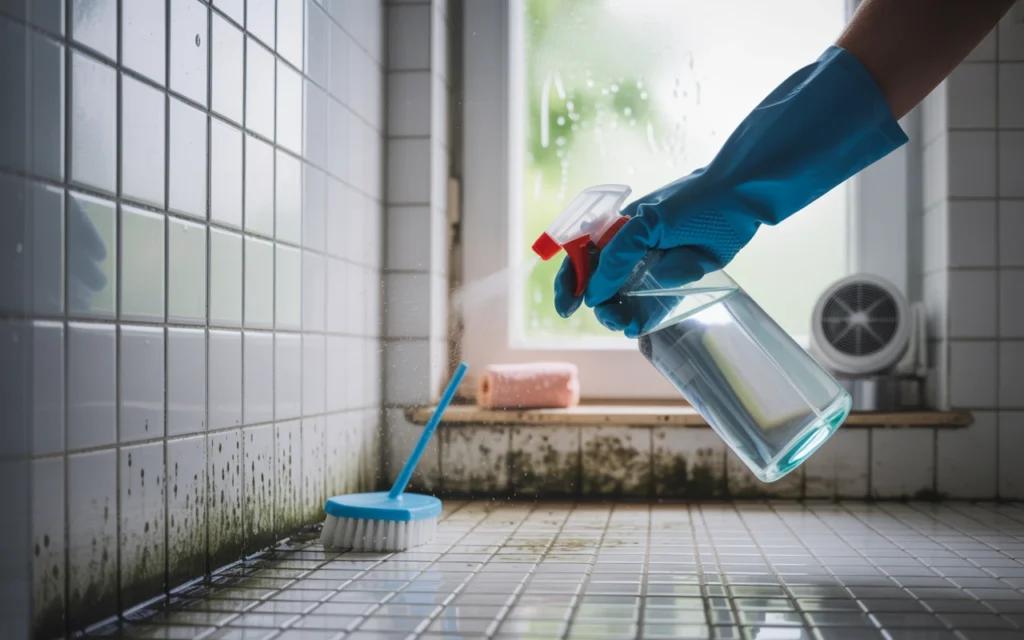
- Wear Personal Protective Equipment (PPE), including gloves, an N95 mask, and goggles to avoid inhaling mold spores. This is especially important for Elmont residents with allergies or asthma.
- Prepare a cleaning solution: mix one part bleach with ten parts water or use undiluted white vinegar. Both are effective, as noted in EPA guidelines for mold cleanup.
- Scrub the surface with a stiff brush to remove mold, then rinse with clean water.
- Dry the area thoroughly using a fan or dehumidifier to prevent regrowth. Mold can return within 24-48 hours if moisture remains.
- Dispose of cleaning materials (e.g., rags, brushes) in sealed plastic bags to avoid spreading spores.
DIY is only safe for small, surface-level mold. Disturbing mold can release spores, worsening health risks for those with respiratory conditions. If you’re unsure about the extent, seek professional help.
Professional Remediation
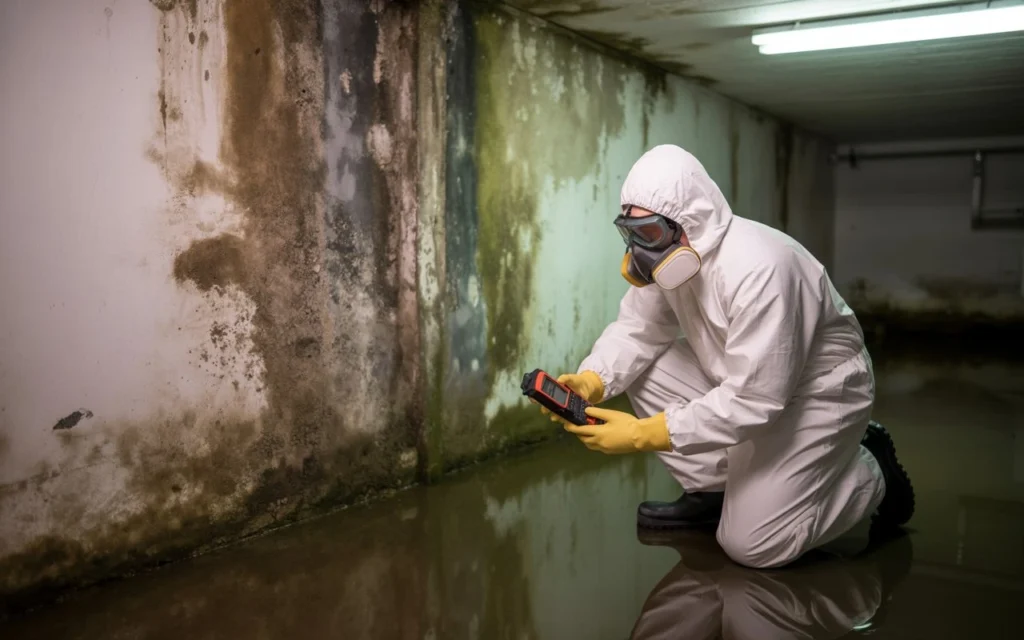
For mold covering larger areas or in cases of toxic molds like Stachybotrys chartarum, professional remediation is the safest option. Experts follow a structured process:
- Containment: Seal the affected area with plastic sheeting to prevent spores from spreading to other parts of your Elmont home.
- HEPA Filtration: Use high-efficiency particulate air (HEPA) filters to capture airborne spores, ensuring clean air during cleanup.
- Moisture Removal: Identify and fix moisture sources, such as leaks or poor drainage, to prevent mold recurrence.
- Cleaning and Drying: Remove mold with specialized equipment and dry the area completely using industrial dehumidifiers.
At Golden Touch Restoration Specialist, we use advanced tools like HEPA vacuums and moisture meters to ensure thorough mold removal. For example, we recently helped an Elmont business remove mold from a concrete warehouse floor, addressing a hidden leak that caused the issue. Professional remediation minimizes health risks and ensures long-term protection, especially in Elmont’s humid climate.
Attempting to clean large mold infestations without expertise can spread spores, contaminating other areas. If you notice extensive mold or a persistent musty odor, professional assessment is the best course of action.
Why Pick Our Mold Remediation? Your Success, Our Guarantee
When mold appears on your concrete surfaces, you need trusted professionals who can act quickly and effectively. Golden Touch Restoration Specialist provides comprehensive mold remediation services tailored to Elmont’s humid climate and flood-prone conditions. Our certified experts use advanced tools, proven methods, and a customer-first approach to restore safety and comfort to your property.
Certified Mold Professionals: Our team is licensed, insured, and trained in EPA and IICRC standards, ensuring every project meets the highest quality and safety requirements.
Advanced Equipment: We use professional-grade HEPA filtration systems, industrial dehumidifiers, and moisture meters to detect, remove, and prevent mold growth on concrete surfaces.
Local Expertise: We understand the unique mold challenges Elmont residents face from summer humidity to basement flooding and tailor every solution to local conditions.
24/7 Emergency Response: Our specialists are available around the clock to handle mold emergencies, preventing further damage and protecting your family’s health.
Proven Results: With more than 60 five-star reviews, Golden Touch Restoration Specialist is a trusted name in Elmont for reliable, effective mold remediation.
Transparent Service: We offer free inspections, detailed assessments, and honest pricing so you always know what to expect before we begin.
At Golden Touch Restoration Specialist, we don’t just remove mold we restore your property’s safety and peace of mind. Whether it’s a small basement issue or widespread mold on concrete, our Elmont team is ready to help you breathe easier and live healthier today.
FAQs About Mold on Concrete
Below are answers to common questions about mold remediation and prevention, designed for Elmont, NY residents:
How to stop mold from growing on concrete?
Keep concrete dry by using dehumidifiers, fixing leaks, and applying waterproof sealants. Regular cleaning and proper drainage, such as clearing gutters, are vital in Elmont’s humid climate. Monitor humidity with a hygrometer to stay below 60%.
What keeps mold from growing?
Dry conditions, good ventilation, and clean surfaces prevent mold. Use dehumidifiers in basements, ensure airflow with fans, and remove organic debris like dust or leaves. In Elmont, controlling humidity is key due to frequent damp weather.
How does mold form on concrete?
Mold forms when mold spores land on damp concrete with organic material, such as dust, and poor ventilation. Elmont’s high humidity and flooding risks create ideal conditions, especially in basements or garages.
How to identify mold on concrete?
Look for black, green, or white patches and a musty odor. Unlike efflorescence, which wipes off easily, mold requires scrubbing. Professional testing confirms mold presence in Elmont properties.
How do you get rid of mold on concrete?
For small areas, scrub with bleach or vinegar and dry thoroughly. For larger infestations, professional mold removal near Elmont ensures safe, effective remediation with specialized tools.
These answers provide practical solutions while addressing common concerns for Elmont homeowners and businesses.
Conclusion
Mold on concrete can threaten your health and property, but addressing it promptly makes a difference. At Golden Touch Restoration Specialist, our certified professionals use advanced equipment, like HEPA filtration and industrial dehumidifiers, to deliver thorough mold removal in New York. We understand Elmont’s challenges, from humid summers to flood risks, and customize solutions for your home or business.
Our 24/7 availability ensures rapid response, minimizing damage. With 63 positive Google reviews, Elmont residents trust us to protect their health and property value. For example, we recently helped a local business clear mold from a concrete warehouse floor, addressing a hidden leak.
Contact Golden Touch Restoration Specialist at (347) 551-8094 for a free mold remediation in Elmont inspection today.