Mold is a common issue in homes and businesses, especially in areas prone to moisture like Elmont, New York. Humid summers, frequent storms, and water-related incidents, such as basement flooding, create ideal conditions for mold growth. If you’ve noticed dark spots on walls or a musty odor after a leak, you might be wondering about solutions like vinegar for tackling mold. This guide dives into how mold grows, the risks it poses, and whether vinegar can help manage it. It also covers when professional intervention becomes necessary to protect your property and health. By exploring vinegar’s strengths and limitations, this article equips you with practical knowledge to address mold effectively.
Here’s what this guide will help you understand:
- How mold develops and the health and structural risks it brings to properties in Elmont.
- The science behind vinegar’s ability to combat mold and its effectiveness on various surfaces.
- Step-by-step instructions for using vinegar to tackle small mold patches safely.
- Limitations of DIY methods and when to seek professional mold remediation services.
- Practical tips to prevent mold growth in flood-prone areas like Elmont.
What Is Mold and Why Is It a Concern in Elmont?
Mold is a type of fungus that thrives in damp, warm environments. Common varieties include Stachybotrys chartarum, often called black mold, Penicillium chrysogenum, and Aspergillus fumigatus. These fungi reproduce by releasing tiny spores that float through the air and settle on surfaces. In Elmont, New York, high humidity levels, especially during summer, combined with frequent water damage from storms or plumbing issues, make homes and businesses particularly susceptible. Basements, bathrooms, and kitchens are common hotspots due to poor ventilation or leaks.
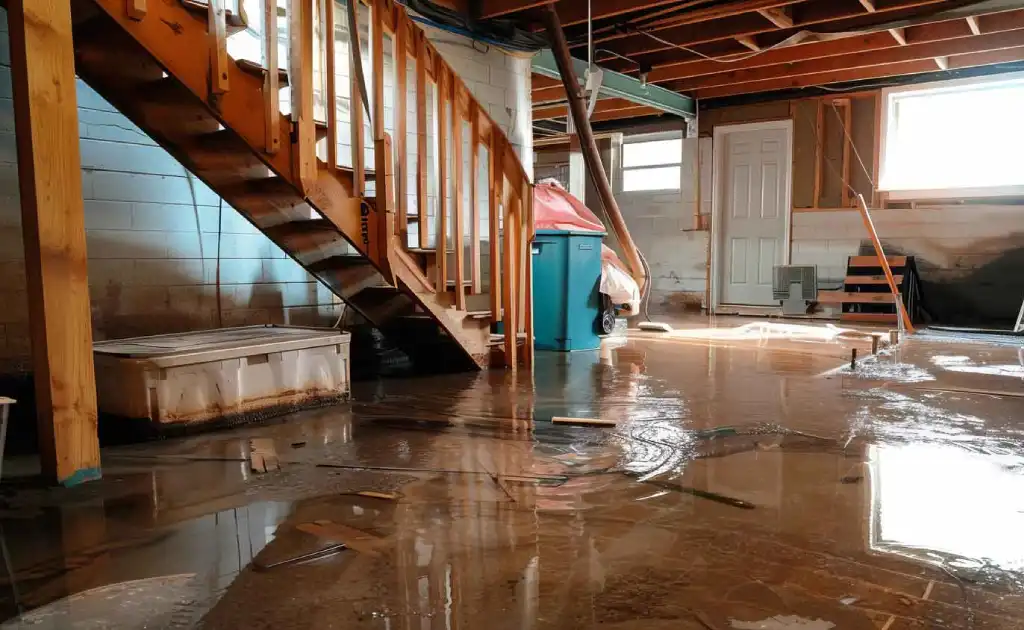
Mold poses two primary risks: health problems and structural damage. For residents, exposure can lead to allergic reactions, such as sneezing, itchy eyes, or skin irritation. Those with asthma may experience worsened symptoms, including coughing or difficulty breathing. The Centers for Disease Control and Prevention (CDC) highlights that children, the elderly, and individuals with compromised immune systems face higher risks. For example, after the 2021 storms in Elmont, many homes suffered flooding, leading to widespread mold growth in basements that triggered respiratory issues for residents.
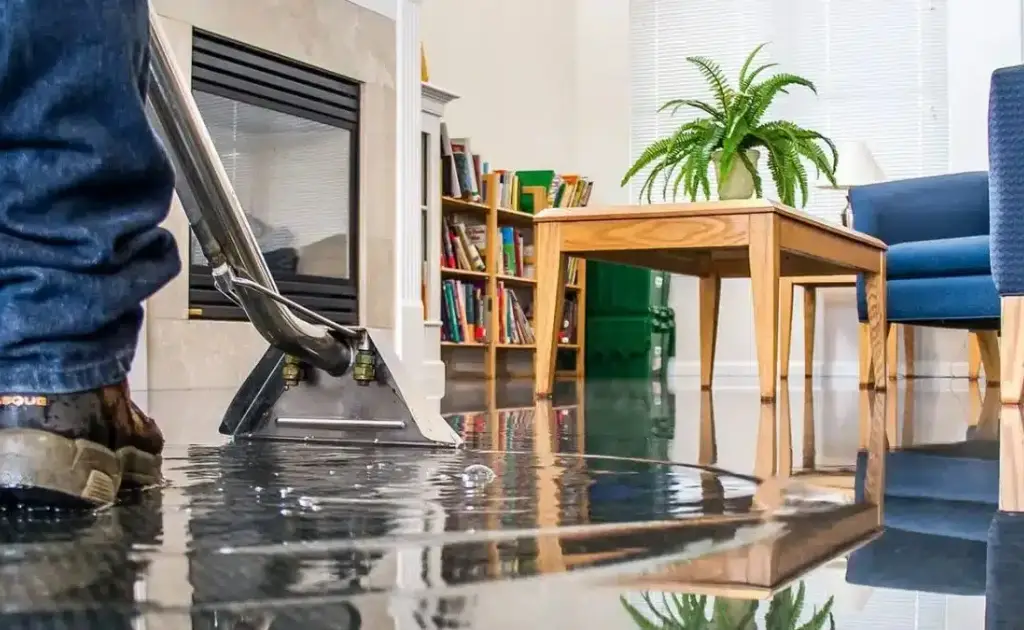
Structurally, mold can weaken materials like drywall, wood, and insulation. It feeds on organic matter, breaking down surfaces over time. A small leak in an Elmont home, if ignored, can turn into a costly repair when mold spreads unchecked. For instance, a 2022 sewage backup in a local business led to mold growth in carpeting and walls, requiring extensive restoration. Addressing mold promptly is critical to safeguard both health and property in flood-prone areas like Elmont.
How Does Vinegar Combat Mold?
Vinegar, specifically white distilled vinegar, is a popular household remedy for mold due to its accessibility and natural properties. With an acetic acid content of 5–8% and a pH of around 2.5, vinegar has antifungal and antibacterial qualities. A 2015 study published in the Journal of Environmental Health found that vinegar can eliminate approximately 80% of mold species, including Stachybotrys chartarum and Penicillium chrysogenum. Its acidic nature disrupts mold’s cellular structure, halting spore reproduction and killing the fungus on contact.
Unlike bleach, which primarily affects surface mold and may leave deeper roots intact, vinegar penetrates slightly better into porous materials. This makes it a safer, eco-friendly choice for small-scale mold issues. For Elmont homeowners dealing with minor mold patches after a pipe leak, vinegar offers a budget-friendly option without the harsh chemicals found in commercial cleaners. However, its effectiveness varies based on the mold type and surface, and it’s not a complete solution for severe infestations.
The appeal of vinegar lies in its simplicity. It’s readily available in most households, non-toxic when used properly, and avoids the strong fumes of bleach. Yet, it struggles with deeply embedded mold or certain resistant species, such as Aspergillus fumigatus. Understanding these limitations helps homeowners decide when vinegar is appropriate and when professional mold remediation in Elmont becomes necessary.
For step-by-step instructions on safely using vinegar to tackle small mold patches, check out our article on How to Remove Mold from Walls.
Step-by-Step Guide to Using Vinegar for Mold Removal
For small mold patches, less than 10 square feet, vinegar can be an effective DIY solution. Below is a detailed guide to safely use vinegar in your Elmont home. Always prioritize safety to avoid exposure to mold spores or vinegar’s acidity.
Gather Your Supplies
You’ll need white distilled vinegar, undiluted, a spray bottle, baking soda, a scrub brush, non-porous gloves, a mask, and safety goggles. These items protect you and ensure effective cleaning. Avoid using diluted vinegar unless specified for delicate surfaces.
Protect Yourself
Mold spores can irritate your lungs and skin, so wear gloves, a mask, and goggles. Open windows or use a fan to improve ventilation in the area. This step is especially important in Elmont homes, where tight spaces like basements can trap spores.
Apply Vinegar
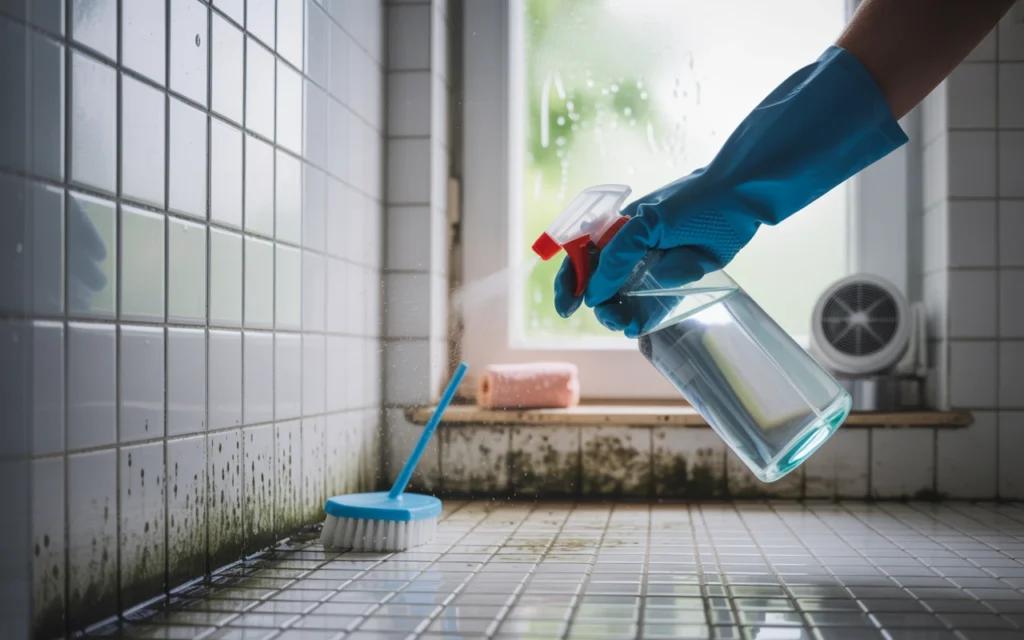
Pour undiluted vinegar into a spray bottle. Spray the affected area thoroughly, ensuring full coverage. Let the vinegar sit for at least one hour. This allows the acetic acid to penetrate the mold and disrupt its growth. For example, a small patch of mold on a bathroom tile can be treated this way effectively.
Scrub with Baking Soda
Mix 1 teaspoon of baking soda with 2 cups of water in a separate spray bottle. Spray the moldy area, then use a scrub brush to remove visible mold and stains. Baking soda helps neutralize vinegar’s acidity and aids in lifting residue. This step works well for surfaces like tiles or countertops.
Rinse and Reapply
Rinse the area with warm water to remove loosened mold and residue. Spray a light layer of vinegar again and let it air-dry. This final application helps prevent mold regrowth by maintaining an acidic environment. For instance, after cleaning a kitchen backsplash, this step ensures lingering spores don’t take hold.
Safety Precautions
Never mix vinegar with bleach or hydrogen peroxide, as this can produce harmful gases like chlorine or peracetic acid. If the mold covers more than 10 square feet or persists after treatment, professional help is needed. For larger issues, mold removal in Elmont by certified experts ensures thorough remediation.
This method suits small, surface-level mold on non-porous materials. For more complex cases, such as mold in drywall or carpets, vinegar alone won’t suffice. For more details on how vinegar performs on different surfaces, check out our blog on Mold Removal vs Mold Remediation
How Vinegar Performs on Different Surfaces
Vinegar’s effectiveness depends on the material it’s applied to. Below is a breakdown of how it works on common surfaces found in Elmont homes and businesses, along with practical examples.
Non-Porous Surfaces
Materials like glass, metal, or ceramic tiles are ideal for vinegar treatment. Mold cannot penetrate these surfaces deeply, so a thorough spray and scrub often removes it completely. For example, mold on a glass shower door in an Elmont bathroom can be eliminated with vinegar in under an hour.
Leather
Leather furniture or accessories require caution. Dilute vinegar with equal parts water, 1:1 ratio, to avoid damage. Test the solution on a hidden area first. A 2023 case in Elmont involved mold on a leather couch after a basement flood; diluted vinegar cleaned it without ruining the material.
Drywall
Drywall, common in Elmont basements, is porous and challenging. Vinegar can kill surface mold, but mold often grows inside the material, especially after flooding. In a 2022 Elmont home, surface cleaning with vinegar helped, but professionals had to remove affected drywall to prevent regrowth.
Wooden Surfaces
Wood is tricky. Vinegar can strip protective finishes on wood floors or furniture, causing discoloration or damage. For minor mold on sealed wood, a very diluted solution may work, but test it first. Unsealed wood often requires professional treatment to avoid further harm.
Stone Countertops
Avoid vinegar on natural stone like marble or limestone. Its acidity can etch or dull the surface. For granite or sealed stone, a mild vinegar solution may work, but professional cleaners are safer. An Elmont kitchen with mold on granite benefited from professional intervention to preserve the countertop’s finish.
Porous Surfaces
Carpets, upholstery, and ceiling tiles trap mold deep within fibers, where vinegar cannot reach. Replacement or professional remediation is often necessary. For example, a 2021 flood in Elmont left carpeting moldy, and vinegar failed to address the embedded spores, requiring full removal.
Understanding these differences helps you choose the right approach for each surface. For complex or porous materials, professional solutions ensure complete mold elimination.
Take Control of Mold Issues
If you’re dealing with small mold patches in your Elmont home, vinegar can be a great starting point. But for larger or hidden mold, professional expertise makes a difference. Certified teams use advanced tools to assess and remove mold safely, protecting your property. Consider reaching out to local experts for a thorough inspection if you suspect mold is spreading.
Limitations of Vinegar for Mold Removal
While vinegar is useful for minor mold issues, it has significant drawbacks. Knowing these limitations helps you decide when to escalate to professional solutions.
Large Mold Infestations
The Environmental Protection Agency (EPA) recommends professional intervention for mold covering more than 10 square feet. Vinegar cannot handle widespread growth, as it lacks the strength to penetrate deeply or address airborne spores. In Elmont, large infestations often follow floods, requiring specialized equipment.
Resistant Mold Types
Some molds, like Aspergillus fumigatus, resist vinegar’s effects, according to a 2015 study. These species require stronger treatments, such as industrial-grade antifungals, to eliminate them fully. Attempting vinegar on resistant molds may allow them to spread further.
Porous Materials
Mold in porous materials like drywall, carpets, or insulation often survives vinegar treatment. The fungus embeds deep within fibers or layers, where vinegar cannot penetrate. For instance, a 2023 Elmont case involved mold in basement insulation that required complete replacement after vinegar failed.
HVAC Systems
Mold in heating, ventilation, and air conditioning (HVAC) systems is particularly dangerous, as it spreads spores throughout a property. Vinegar cannot clean complex systems, which need specialized tools like HEPA vacuums or fogging machines. Professional remediation ensures safe air quality.
Incomplete mold removal can worsen health issues, such as asthma or allergies, and lead to costly structural repairs. In Elmont, where flooding is common, certified professionals use advanced techniques to address these challenges effectively.
Alternative Methods for Mold Removal
Beyond vinegar, other DIY methods can tackle mold, but they also have limitations. Below are common alternatives and how they compare.
Hydrogen Peroxide
A 3% hydrogen peroxide solution works well on hard surfaces like tiles or countertops. Spray it on, let it sit for 10 minutes, then scrub. A 2016 study found it effective against fungi on non-porous surfaces but less so on porous ones like drywall. It’s a good option for Elmont bathrooms but not for large infestations.
Tea Tree Oil
Mix 1 teaspoon of tea tree oil with 1 cup of water for a natural antifungal spray. A 2015 study noted its strong antimicrobial properties, which can outperform vinegar for some molds. Apply it to surfaces and let it dry. It’s pricier but effective for small areas.
Baking Soda
Combine baking soda with water to create a paste or spray. A 2017 study showed it controls certain fungi, like powdery mildew. Apply it to moldy surfaces, let it sit, and scrub. It’s safe and affordable but limited to surface-level mold.
These methods suit minor cases but fall short for severe infestations or porous materials. In Elmont, where water damage is common, professional mold remediation services provide comprehensive solutions for lasting results.
Preventing Mold Growth in Elmont Properties
Preventing mold is easier and more cost-effective than removing it. Elmont’s humid climate and flood-prone areas, like those near Sewanee Avenue, require proactive measures. Here are practical steps to keep your property mold-free.
Address Water Damage Quickly
Fix leaks or flooding within 24–48 hours to prevent mold growth. For example, a burst pipe in an Elmont basement must be repaired promptly, with wet materials dried or removed. Professional water damage restoration can address underlying issues effectively.
Control Indoor Humidity
Keep humidity levels between 30–50% using dehumidifiers, especially in basements or bathrooms. In Elmont’s humid summers, a dehumidifier can prevent mold in areas prone to moisture buildup.
Improve Ventilation
Install exhaust fans in kitchens and bathrooms to reduce moisture. Ensure attics and crawl spaces have proper airflow. For instance, a 2022 Elmont home reduced mold risk by adding a bathroom fan after recurring mold issues.
Regular Inspections
Check pipes, roofs, and windows for leaks, especially after storms. Elmont’s history of heavy rainfall, like the 2021 storms, underscores the need for vigilance. Annual inspections can catch issues early.
Use Mold-Resistant Products
Apply mold inhibitors to paints or use mold-resistant drywall in flood-prone areas. These products, available at Elmont hardware stores, add an extra layer of protection.
By staying proactive, you can minimize mold risks and protect your property’s value and safety.
Why Choose Professional Mold Remediation? Expertise You Can Trust
When mold spreads beyond small patches or grows on porous surfaces, professional expertise is essential to ensure safety and effective removal. Certified mold remediation specialists provide thorough solutions designed to protect both your property and health.
Certified Experts: Professionals follow strict standards, including those set by the Institute of Inspection, Cleaning and Restoration Certification (IICRC). They are trained to assess mold growth accurately, identify moisture sources, and remove contamination safely.
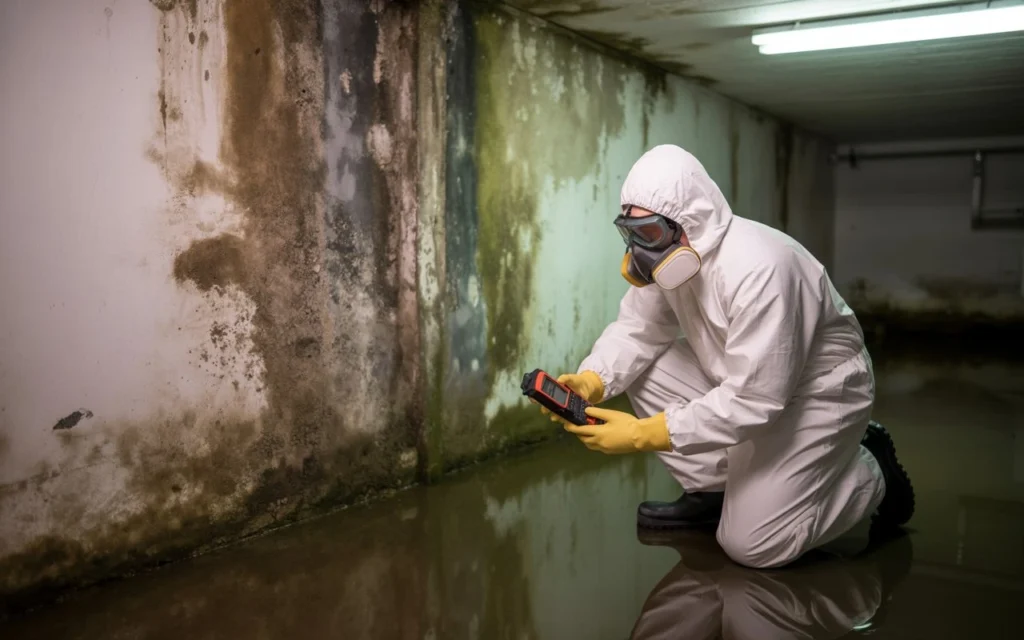
Advanced Equipment: Expert teams use tools such as HEPA filtration, industrial dehumidifiers, infrared moisture cameras, and professional antifungal treatments. These technologies target hidden mold and prevent regrowth more effectively than DIY methods.
Local Knowledge: Elmont’s humid climate and frequent flooding present unique challenges. Local remediation teams understand these conditions and customize their approach to protect homes and businesses in the area.
Comprehensive Solutions: Professionals handle everything from minor patches to large infestations in basements, HVAC systems, concrete, or porous materials. They ensure mold is eliminated at the source, not just on the surface.
Peace of Mind: With a proven track record and positive resident testimonials, hiring certified remediation services guarantees reliable results, long-term protection, and a healthier living environment.
Choosing professional mold remediation ensures your property is safe, fully restored, and resistant to future mold growth. For serious or persistent mold issues in Elmont, certified experts provide the most effective, lasting solution.
Frequently Asked Questions About Vinegar and Mold Removal
Below are answers to common questions about using vinegar for mold in Elmont homes and businesses.
What Eliminates All Mold?
No DIY method eliminates 100% of mold. Vinegar removes about 80% of species, but professional remediation ensures complete removal, especially for large or hidden infestations.
Can I Spray Vinegar on Mold and Leave It?
For non-porous surfaces, spraying vinegar and leaving it can deter mold regrowth. For active infestations, scrub and rinse after an hour to remove spores effectively.
Is Vinegar or Hydrogen Peroxide Better for Mold?
Vinegar works better on non-porous surfaces like tiles, while hydrogen peroxide suits hard surfaces like countertops. Professionals can determine the best approach for your property.
Does Vinegar Work on Concrete?
Vinegar has limited effectiveness on concrete and may damage surrounding cement. Professional mold removal services are often required for concrete surfaces.
What Are Vinegar’s Drawbacks for Mold?
Vinegar struggles with porous surfaces like drywall or carpets and resistant molds like Aspergillus fumigatus. It can also damage wood or stone finishes.
Which Molds Resist Vinegar?
Some molds, such as Aspergillus fumigatus, resist vinegar, per a 2015 study. Professional treatments target all mold types effectively.
How Long Should Vinegar Sit on Mold?
Let vinegar sit for at least one hour to penetrate mold. Scrub afterward for optimal results.
These answers provide clarity, but for persistent or large-scale mold, professional expertise ensures safety and effectiveness.
Conclusion: Make Informed Choices for Mold-Free Living
Mold is a serious concern in Elmont, where humidity and flooding create ideal conditions for growth. Vinegar offers an affordable, eco-friendly option for tackling small mold patches on non-porous surfaces like tiles or glass. However, its limitations, such as ineffectiveness on porous materials, resistant molds, or large infestations, mean it’s not a universal solution. Health risks, such as allergies and asthma, combined with Elmont’s flood-prone environment, make professional intervention critical for severe cases.
For thorough, lasting mold removal, certified professionals provide the expertise and tools needed to protect your property. Don’t let mold compromise your home or health. Contact a local remediation team for a free inspection in Elmont, New York, and ensure your space is safe and mold-free. Call (347) 551-8094 today to schedule your assessment and take the first step toward a healthier property.