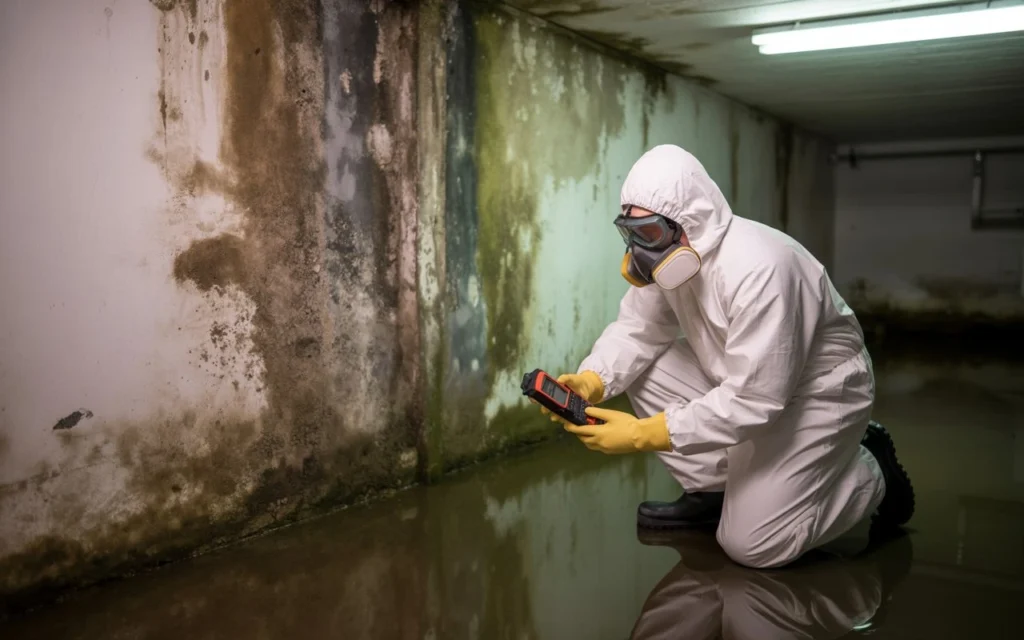
Mold is one of the most common household problems, yet many people do not notice it until it spreads. It thrives in damp, poorly ventilated areas and can quickly damage walls, furniture, and even your health. The sooner you understand how it forms, the easier it becomes to prevent it. Let’s start with what actually causes mold to grow inside your home.
What Causes Mold Growth in Homes?
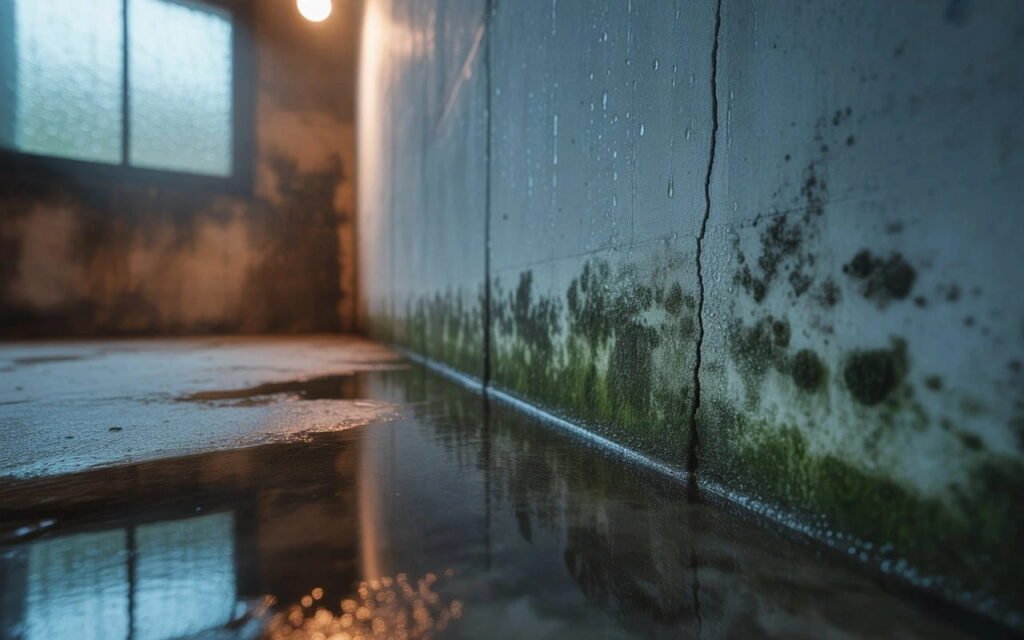
Mold forms wherever moisture lingers and air circulation is poor. It is a type of fungus that spreads through tiny spores floating in the air. Once these spores land on a damp surface such as bathroom tiles, window sills, basements, or drywall, they can begin to grow within one or two days.
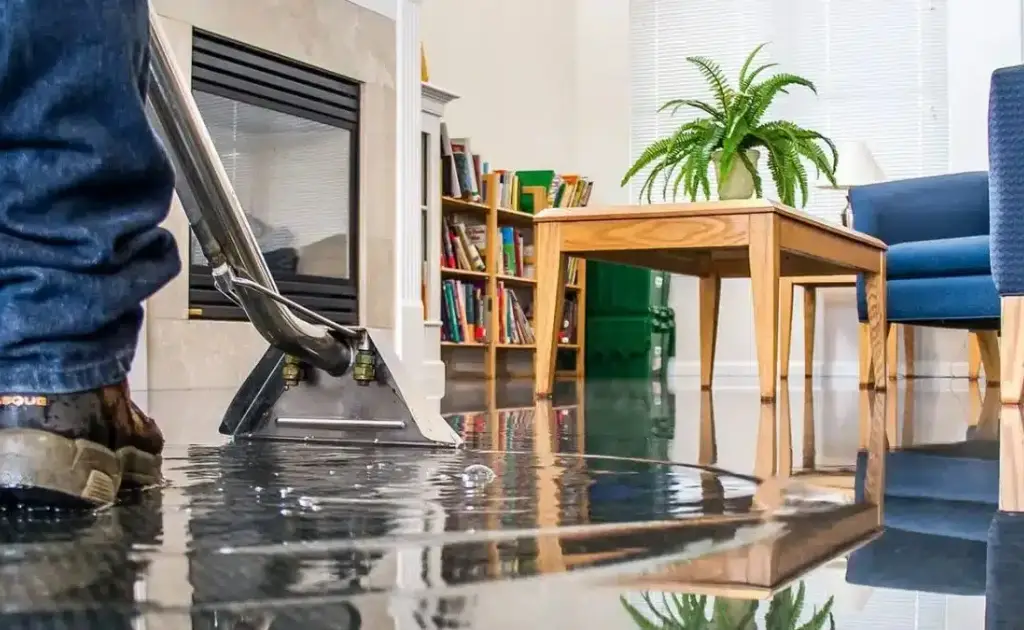
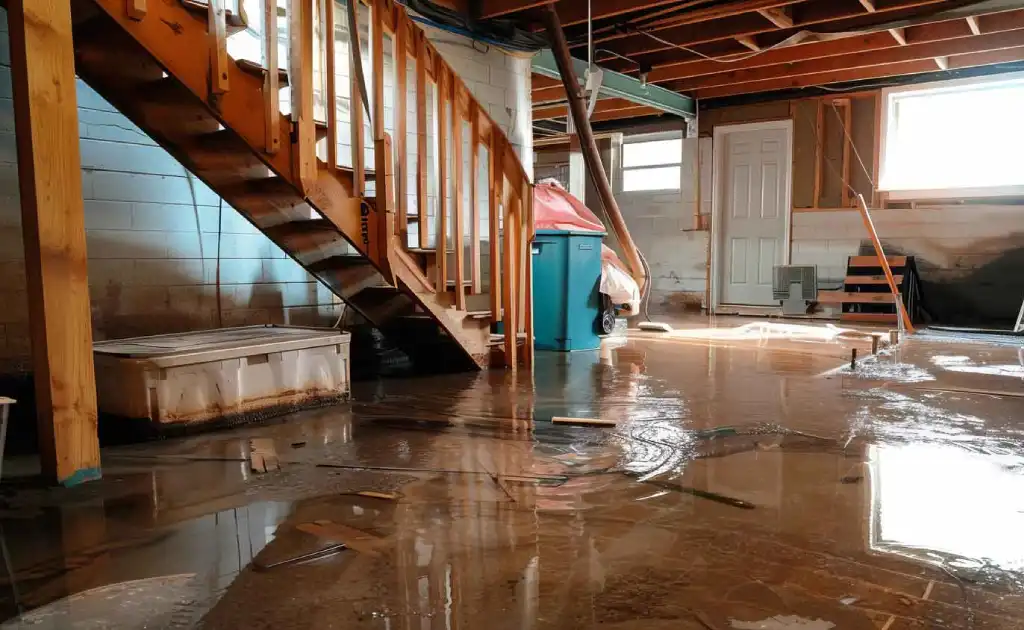
The main trigger is excess moisture. Leaky pipes, roof damage, flooding, or daily routines like long showers without ventilation allow humidity to build up. When moisture stays trapped, it creates the perfect environment for mold to spread.
Temperature also matters. Mold grows fastest in warm and humid spaces, usually between 77°F and 86°F. This is why bathrooms, laundry rooms, and basements are often affected first.
Mold also feeds on organic materials such as wood, drywall, fabric, and paper. Once it begins feeding, it can damage these materials and release spores that may cause allergic reactions, coughing, or breathing problems.
In short, wherever there is moisture and warmth, mold can appear. Fix leaks quickly, improve airflow, and keep surfaces dry to prevent future growth.
When Can You Tackle Mold Yourself and When Do You Need a Pro?
Not every mold problem needs professional help, but knowing where to draw the line can save time and prevent bigger damage.
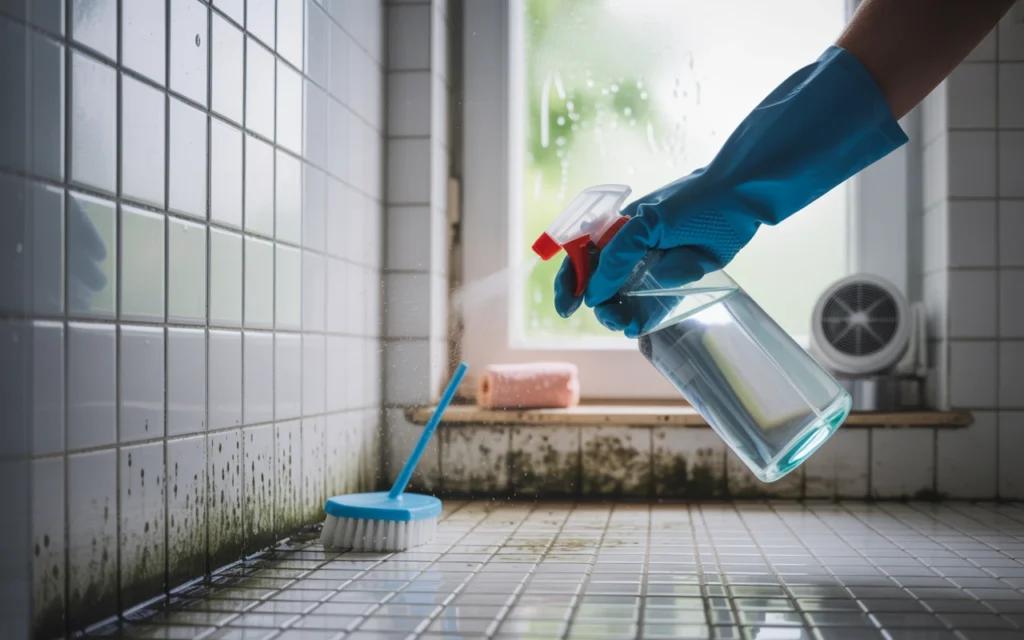
You can handle small mold patches on your own if they cover less than 10 square feet. These are usually found on bathroom tiles, shower curtains, or around windows. With proper safety gear, such as gloves, goggles, and a mask, you can clean these areas safely using bleach or vinegar.
However, once mold spreads over a large area or grows inside porous materials like drywall, carpet, or insulation, it becomes a bigger issue. These materials absorb moisture deeply, allowing mold to grow beneath the surface where regular cleaning cannot reach.
If you notice musty odors, repeated growth after cleaning, or visible damage to walls or ceilings, it is time to call a professional. Experts have the right tools to detect hidden colonies, contain spores, and restore air quality.
Also, anyone with asthma, allergies, or a weakened immune system should avoid DIY cleaning altogether. In these cases, safety comes before savings.
What Are the Properties of Bleach for Mold Removal?
Bleach is a strong disinfectant that can kill mold on non-porous surfaces such as tiles, glass, sinks, and countertops. It works by breaking down the mold’s outer layer and destroying the spores on the surface. Because of its fast-acting nature, many homeowners reach for bleach first when they see mold spots in the bathroom or kitchen.
However, bleach has clear limits. It does not soak into porous materials like wood, drywall, or fabric. While it may remove surface stains, the roots of the mold can stay alive underneath and start growing again once the area becomes damp. Over time, this leads to recurring growth that looks clean at first but returns later.
There are also safety concerns. Bleach fumes can irritate the eyes, nose, and lungs, especially in enclosed spaces. Mixing it with ammonia or other cleaners can release toxic gases. Always open windows and use gloves, a mask, and protective eyewear when handling it.
For best results, dilute bleach with water in a one-to-ten ratio before applying it. Spray or wipe the mixture onto the affected area, let it sit for about ten minutes, then scrub and rinse thoroughly. Always dry the area completely afterward to prevent new mold growth.
What Are the Properties of Vinegar for Mold Removal?
Vinegar is a natural cleaner that contains mild acid capable of killing many types of mold. It works by breaking down the mold structure and preventing future growth. Unlike bleach, vinegar can penetrate slightly into porous materials such as wood and drywall, reaching areas that bleach often misses.
White distilled vinegar is most effective for cleaning. It can be used undiluted or slightly diluted with water depending on the surface. Simply pour it into a spray bottle, apply it to the affected area, and let it sit for at least an hour. Afterward, scrub the surface with a brush and wipe it clean with a damp cloth. Dry the area well to remove leftover moisture.
Vinegar has a strong smell, but it fades within a few hours. It is much safer to handle than bleach and does not produce harmful fumes. However, it should not be used on natural stone, aluminum, or waxed wood since the acid can dull or damage those surfaces.
While vinegar may take longer to remove stains and odors, it is effective for light to moderate mold problems and as a regular preventive cleaner for damp areas like bathrooms and kitchens.
Bleach vs. Vinegar – Which Is Better and When?
Both bleach and vinegar can remove mold, but each works best in different situations. The choice depends on the type of surface, the size of the problem, and the level of safety you want while cleaning.
Bleach is better suited for hard, non-porous surfaces like ceramic tiles, bathtubs, and sinks. It cleans quickly, kills visible mold, and brightens stained areas. However, it only removes surface mold and does not reach deep roots inside porous materials. If used frequently, it can damage paint, caulk, or metal fixtures.
Vinegar, on the other hand, works more gently and can reach slightly below the surface. It is safer for daily use, non-toxic, and less likely to harm surrounding materials. While it takes longer to show results, it offers better long-term control, especially in damp areas prone to recurring mold.
If you are cleaning a small bathroom wall or countertop, bleach may handle the job faster. If you are treating drywall, wood, or fabrics, vinegar is the smarter choice. For large infestations or hidden growth behind walls, professional help is still the most reliable solution.
In short, bleach wins for quick, surface-level cleaning, while vinegar provides a safer and more thorough option for prevention and maintenance.
Step-by-Step How to Apply Bleach Safely (When Appropriate)
Cleaning with bleach requires careful handling to avoid damage and protect your health. Follow these steps to use it safely and effectively.
1. Prepare the area
Fix any leaks or water sources first. Open windows and doors to improve ventilation. Remove any loose debris or items near the mold.
2. Gather protective gear
Wear rubber gloves, safety goggles, and a face mask. Bleach can irritate your skin, eyes, and lungs, so protection is necessary.
3. Make the solution
Mix one cup of bleach with one gallon of water. Never mix bleach with ammonia or other cleaners. Doing so creates toxic fumes.
4. Apply the mixture
Use a spray bottle, sponge, or cloth to apply the solution to the moldy area. Allow it to sit for about 10 minutes to kill the surface mold.
5. Scrub and rinse
Gently scrub the area with a stiff brush or cleaning pad. Wipe away residue using clean water and dry the surface completely with a towel or fan.
6. Dispose of materials properly
Throw away any used sponges or rags. Wash your gloves and clothes after cleaning.
Bleach can remove mold stains and disinfect hard surfaces effectively, but it should not be used on porous materials. Always test a small area first to make sure it will not damage the surface.
Step-by-Step How to Apply Vinegar Safely (When Appropriate)
Vinegar is an easy and safe option for cleaning mold on both porous and non-porous surfaces. Follow these simple steps to get the best results.
1. Prepare the area
Fix any source of moisture such as leaks or condensation. Improve airflow by opening windows or using a fan. Remove loose dirt or dust from the surface before cleaning.
2. Choose the right vinegar
Use white distilled vinegar with 5 to 6 percent acidity. It can be used undiluted for stronger cleaning power or mixed with equal parts water for sensitive surfaces.
3. Apply the vinegar
Pour the vinegar into a spray bottle and spray it directly onto the moldy surface. Make sure the area is fully covered. Let it sit for at least 60 minutes so the acid can break down the mold.
4. Scrub the surface
After waiting, scrub the area with a soft brush or sponge to loosen any remaining mold. Wipe with a clean damp cloth to remove residue.
5. Dry completely
Use a towel or fan to dry the cleaned surface. Mold thrives in moisture, so the area must be fully dry to prevent it from coming back.
6. Optional prevention tip
For bathrooms, basements, or laundry rooms, spray vinegar on at-risk areas once a week and leave it to air dry. It helps reduce future growth without harsh chemicals.
Vinegar works well for regular cleaning and prevention. It may take longer than bleach but is safer for your home, your health, and the environment.
How to Prevent Mold from Coming Back
Once mold is removed, prevention becomes the key step. Mold spores are always present in the air, so the goal is to stop them from finding a damp place to grow again.
1. Control humidity
Keep indoor humidity below 50 percent. Use a dehumidifier or air conditioner in humid rooms such as basements, bathrooms, and laundry areas.
2. Fix water problems quickly
Leaky roofs, pipes, and faucets should be repaired right away. Even small drips can keep surfaces wet long enough for mold to grow again.
3. Improve ventilation
Use exhaust fans in bathrooms and kitchens. Open windows whenever possible to allow fresh air circulation. Good airflow helps surfaces dry faster after use.
4. Keep surfaces clean and dry
After showers or cooking, wipe moisture from tiles, walls, and counters. Clean damp spots regularly with vinegar to stop early growth.
5. Store items properly
Avoid keeping cardboard boxes or fabric in damp areas. Use plastic bins instead. Keep furniture a few inches away from walls to allow air movement.
6. Watch for warning signs
A musty smell, condensation on windows, or discoloration on walls often means moisture is building up. Address these issues before they turn into mold.
If mold keeps returning despite preventive steps, it may be hidden behind walls or under flooring. In that case, professional inspection and treatment are the best options.
Key Takeaways at a Glance
-
Mold thrives where there is warmth, moisture, and poor airflow.
-
Bleach works best for smooth, non-porous surfaces like tiles and sinks. It kills surface mold but cannot reach deep roots.
-
Vinegar is slower but safer. It can penetrate slightly into porous materials and helps prevent mold from coming back.
-
Always wear protective gear and keep the area ventilated during cleaning.
-
Never mix bleach with ammonia or other cleaners.
-
Fix leaks, lower humidity, and keep surfaces dry to stop mold growth before it starts.
-
For large or hidden infestations, contact a professional remediation service.
Both bleach and vinegar can help manage mold, but prevention is always the stronger solution. Clean regularly, dry damp areas quickly, and maintain steady airflow to keep your home mold-free.
FAQs About Mold Removal and Prevention
- Is bleach or vinegar better for killing mold?
Bleach kills surface mold on non-porous materials like tiles but doesn’t penetrate deep. Vinegar kills about 82% of mold species and is safer for porous surfaces like drywall and wood, helping prevent regrowth. - Can I mix bleach and vinegar to remove mold?
Never mix bleach and vinegar. The combination creates toxic chlorine gas that can cause serious respiratory irritation. Always use one cleaning solution at a time. - How should I clean mold with vinegar?
Pour undiluted white vinegar into a spray bottle, apply it to the moldy area, and let it sit for at least one hour. Scrub with a brush, then rinse and dry completely to prevent moisture buildup. - When should I call professionals for mold removal?
If mold covers more than 10 square feet, has spread inside walls, or causes strong odors and health symptoms, professional mold remediation from Golden Touch Restoration Specialist in Elmont, NY, is recommended. - How can I prevent mold from returning after cleaning?
Fix leaks quickly, use dehumidifiers to keep humidity below 50%, and improve ventilation in bathrooms, basements, and kitchens to stop mold from coming back.
Conclusion
Mold can appear in any home, especially where moisture and warmth stay trapped. Both bleach and vinegar can remove it, but the right choice depends on the situation. Bleach is powerful for hard, non-porous surfaces and quick cleaning. Vinegar is safer, more natural, and better for long-term prevention, especially on porous materials.
No matter which method you use, the key is stopping mold from coming back. Keep humidity low, repair leaks quickly, and ensure proper ventilation throughout your home. Regular cleaning and moisture control will make your space healthier and help you avoid repeated mold problems.
If you need professional mold removal service in Elmont, contact Golden Touch Restoration Specialist LLC through their website https://goldentouchrestorationspecialist.com/.
Act Now — address moisture issues early to keep mold from taking hold again.