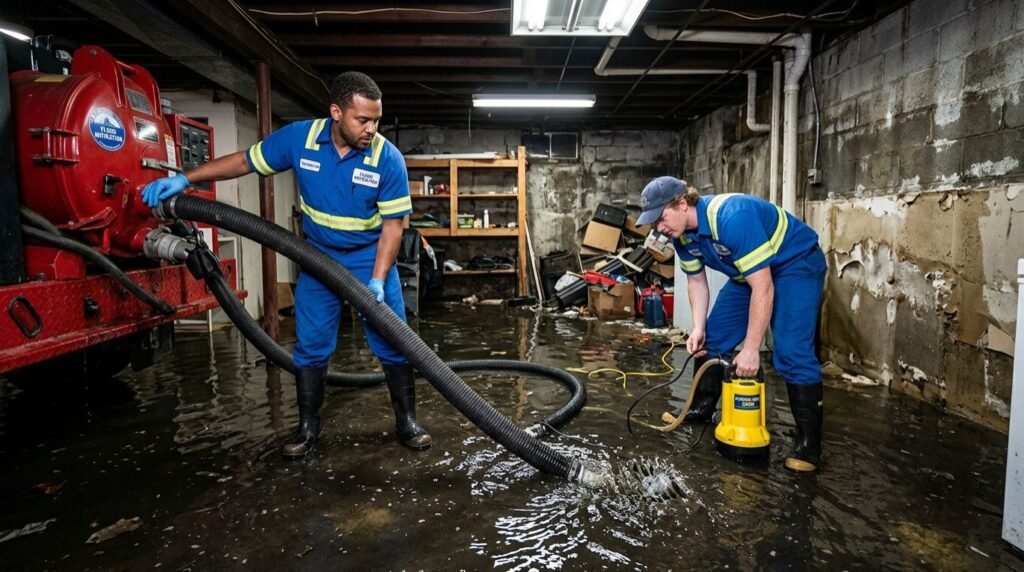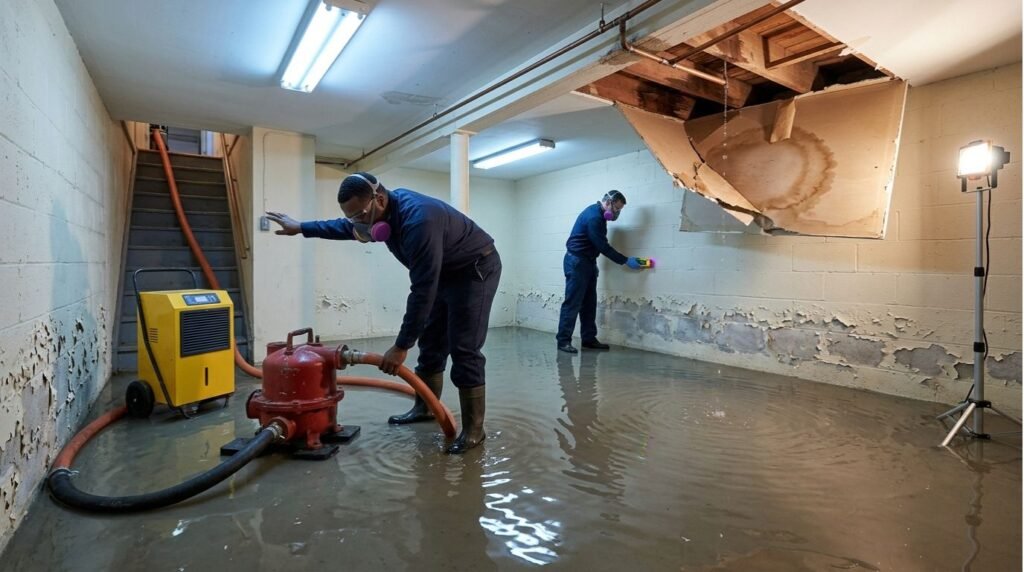
Water Mitigation vs. Water Remediation vs. Restoration: What’s the Difference?
It’s 1:30 in the morning in Flushing, Queens. A supply line behind the wall has failed. Water is running down…
5.0 - 90 Reviews
A dark patch on the bathroom ceiling. A musty odor coming from the basement. Black spots spreading behind the drywall after a pipe leak. Mold in a New York property is a health hazard, a structural risk, and – in many cases – a legal liability. At Golden Touch Restoration Specialist, we provide certified mold removal and remediation services for residential and commercial properties across all five NYC boroughs and Nassau County. Our licensed specialists identify the source of mold growth, contain it, eliminate it completely, and restore your property to a safe, healthy condition.
Emergency
& Insured
Warranty
Camera Inspection
No Obligation • Same-day service available




Mold spreads fast - particularly in New York properties with limited ventilation. Our response teams deploy 24/7/365. We are on-site quickly, ready to assess the situation and begin containment before the mold spreads further.
Every mold remediation technician on our team is licensed in accordance with New York State's Article 32 requirements and IICRC certified. You get trained professionals following industry-standard protocols - not an unscreened crew with household chemicals.
Every mold job starts with a free, no-obligation inspection. We assess the extent of the growth, identify the moisture source causing it, and give you clear pricing before any work begins. No surprises. No pressure.
Mold removal and mold remediation are related but different processes and understanding the distinction matters when choosing how to address a mold problem in your property.
Mold removal refers to the physical elimination of visible mold from surfaces. It addresses what you can see. Mold remediation is the complete professional process: it includes containment to stop mold from spreading during cleanup, removal of all mold-affected materials, HEPA vacuuming and treatment of affected surfaces, identification and correction of the moisture source causing growth, air quality testing to confirm the remediation was successful, and restoration of removed materials. Remediation addresses the problem at its root.
Simply removing visible mold without addressing the moisture source that created it guarantees the mold will return. Our certified team completes both – full remediation followed by moisture source correction and structural restoration – so the problem is resolved, not temporarily hidden. New York State law also requires that any company performing mold assessment or remediation on properties larger than 10 square feet must hold a NYS Department of Labor license under Article 32 of the Labor Law. Our team is fully licensed in compliance with this requirement.
New York’s aging housing stock creates mold conditions that most markets do not face. Pre-war buildings in Brooklyn and Queens were built with plaster walls and limited vapor barriers. Basement apartments across Nassau County and the outer boroughs sit below grade in conditions of naturally elevated humidity. Cast-iron plumbing failures in buildings that have not been renovated in decades introduce water into wall cavities where mold can establish and spread undetected for months. Dense urban living means mold in one co-op unit can spread through shared walls to adjacent units before either occupant is aware of it.
At Golden Touch, we address mold with the full professional scope:
Mold requires only two conditions to establish and spread: a surface to grow on, and moisture. In New York properties, moisture sources are everywhere. These are the most common mold causes our team encounters across NYC and Nassau County.
Any water intrusion event that is not fully dried within 24 to 48 hours will result in mold. A burst pipe, appliance failure, or roof leak that sits for even a day creates the moisture conditions mold needs to establish in drywall, insulation, and wood framing. Water damage restoration that includes thorough structural drying is the only way to prevent post-water-damage mold from developing in the weeks following the initial event.
Basement spaces across Elmont, Bellerose, Franklin Square, and Nassau County are exposed to chronically elevated humidity from groundwater pressure through foundation walls and floor cracks. Without proper waterproofing and dehumidification, that moisture maintains the conditions for continuous mold growth on drywall, wood framing, and stored contents throughout the year.
Condensation around HVAC supply registers, evaporator coils, and duct systems is a documented mold cause in New York's older housing stock. When warm interior air meets cold metal duct surfaces, moisture deposits and stays wet - creating ideal mold conditions that persist as long as the system runs. Mold in HVAC systems circulates spores throughout the entire property with each cycle.
Roof leaks allow water to penetrate into attic spaces and ceiling assemblies, often going undetected until significant mold growth has established in the insulation and roof decking above. Attic condensation from inadequate insulation or ventilation is another consistent mold cause in New York residential properties - particularly in single-family and two-family homes in Nassau County.
Bathrooms without adequate exhaust ventilation accumulate humidity from showers that deposits on walls, ceiling tiles, and grout lines. More than 70% of New York apartment bathrooms deal with recurring mold and mildew issues as a result. Without correcting the ventilation problem, surface mold removal is a temporary solution - the growth returns within weeks.
Properties that have experienced flooding - whether from storm events, combined sewer overflows, or groundwater intrusion - face mold risk even after the standing water is removed. Moisture trapped in wall cavities, subfloor systems, and insulation continues to sustain mold growth long after the flood event appears to be resolved. Any flood response that does not include structural drying to verified dry standard will result in mold.
Hundreds of mold species exist, but several appear consistently in New York residential and commercial properties. The type of mold matters less than its presence and extent – all significant mold growth in occupied spaces requires professional remediation regardless of species. These are the varieties our team most commonly encounters.
Black mold is the most feared variety - and for good reason. Stachybotrys produces mycotoxins that can cause serious health effects with prolonged exposure, including chronic respiratory problems, neurological symptoms, and immune suppression. It requires sustained moisture to establish, which means its presence almost always indicates an ongoing water intrusion problem that has been developing for weeks or months. It cannot be cleaned - all affected materials must be removed.
Cladosporium is one of the most common mold species found in New York homes. It appears as olive-green or brown patches on fabric, wood surfaces, and behind air conditioning units. It is a significant allergen and respiratory irritant, particularly for asthma sufferers. It thrives in areas of elevated humidity and can establish on surfaces that are not visibly wet.
Aspergillus appears in a range of colors - white, yellow, green, or brown - and is commonly found in damp drywall, HVAC systems, and basement spaces. Certain Aspergillus species can cause serious infections in immunocompromised individuals. It is among the most likely mold types to be found circulating through duct systems in properties that have experienced water damage.
Penicillium appears as blue-green mold on water-damaged materials and spreads rapidly through building materials. It is a common allergen and is frequently found in wall cavities after water damage events in pre-war buildings where drying time is extended. Like all significant mold growth, it requires full containment, removal, and moisture correction.
Professional mold remediation follows a structured process. Each step is required. Skipping any phase containment, full material removal, moisture correction, or post-remediation testing guarantees the mold returns. Here is exactly what our certified team covers on every job.
Our licensed technicians conduct a thorough inspection of the property - assessing all visible mold growth, using moisture meters and thermal imaging to locate hidden moisture in walls and ceilings, and identifying the source of the moisture causing the growth. The inspection scope determines the remediation plan and the pricing estimate before any work begins.
Before any mold material is disturbed, we establish negative air pressure containment around the affected area using polyethylene barriers and HEPA-filtered negative air machines. This prevents mold spores released during removal from spreading to unaffected areas of the property. Containment is the step most DIY mold removal attempts skip - and the reason those attempts frequently spread mold to new areas.
All porous materials with significant mold growth - drywall, insulation, ceiling tiles, flooring - are removed, double-bagged, and disposed of in accordance with New York State biohazard waste regulations. Structural wood framing with surface mold growth is treated in place where the structural integrity is preserved. All removed materials are replaced in the rebuild phase.
Remaining structural surfaces in the affected area are HEPA-vacuumed to remove loose spores, then treated with EPA-registered antimicrobial solutions to eliminate any remaining mold and prevent regrowth. This step ensures that the rebuild phase does not enclose any active mold that would re-establish behind new drywall.
Mold remediation without moisture source correction is not remediation - it is temporary suppression. We identify and address the specific moisture entry point causing the growth, whether that means coordinating plumbing repair, improving basement drainage, addressing HVAC condensation, or improving bathroom ventilation. Without this step, mold returns.
After remediation is complete, we conduct post-remediation air quality testing to verify that spore counts in the affected area have returned to normal ambient levels. The area is not cleared for reoccupancy or rebuild until testing confirms successful remediation. Once cleared, we complete all structural rebuilding work - drywall, insulation, flooring, and finishing - returning your property to pre-mold condition.
Mold conditions in New York vary by property type. Our team has direct experience with the specific mold scenarios each building category presents.
Pre-war buildings present the most challenging mold conditions in New York. Plaster walls absorb and retain moisture differently than modern drywall. Original vapor barriers are inadequate or absent. Cast-iron pipe leaks inside plaster walls go undetected for extended periods. We are experienced with the specific access, containment, and drying challenges these properties present.
Basement apartments across Queens, Elmont, and Nassau County face chronic elevated humidity from below-grade conditions. Mold is extremely common in these units and frequently disputes arise between tenants and landlords over remediation responsibility under the NYC Housing Maintenance Code. We work with both property owners and tenants to address mold conditions fully and document the work for any HPD or legal proceedings.
Mold in a co-op or apartment building frequently involves disputes over unit boundaries, shared wall systems, and responsibility between unit owners and the building corporation. We assess and remediate the full scope of mold growth - through walls, into adjacent units, and into common systems - and provide detailed documentation that supports insurance claims and any board or regulatory proceedings.
Two-family homes in Nassau County with finished basements are among the most common mold calls we handle. Attic mold from condensation is the other frequent scenario in these properties. We remediate both the visible mold and the structural systems that retained moisture, addressing each job from the source of moisture to the finished rebuild.
Mold in commercial spaces - offices, restaurants, retail stores - requires fast remediation to minimize business disruption. We work efficiently within commercial mold jobs, maintain proper containment to allow portions of the building to remain operational where possible, and provide the documentation your insurance carrier requires to process the claim.
Mold can begin developing within 24 to 48 hours of water exposure and spreads rapidly once established. In New York properties with limited ventilation, mold growth accelerates faster than in well-ventilated suburban homes. When you discover mold, speed of professional response limits both the extent of the growth and the total remediation cost.
Our team responds to mold inspections and emergency mold calls across all five NYC boroughs and Nassau County 24/7. For urgent situations – visible black mold, tenant complaints requiring documented inspection, or mold discovered during a property sale – we prioritize same-day response. Every inspection begins with a free, no-obligation assessment.
Call (347) 551-8094 any time to schedule your mold inspection or to report a mold emergency.

Property damage is stressful. Our 3-step process is straightforward. One call connects you to a certified mold remediation team that handles everything – from initial inspection and containment through full remediation, moisture correction, and structural restoration.
First Step
Call (347) 551-8094 any time. Tell us what you have found and where. Our team schedules a free on-site inspection, assesses the full extent of the mold growth, and identifies the moisture source causing it.
Second Step
Our licensed technicians set up containment, remove all mold-affected materials, treat structural surfaces, address the moisture source, and conduct post-remediation air quality testing before rebuilding. Every step follows IICRC Applied Microbial Remediation standards and NYS Article 32 requirements.
Third Step
Your property is mold-free and structurally restored. We provide complete documentation of all work performed – for your records, your insurance claim, and any regulatory or legal proceedings.
DIY mold cleaning addresses surface growth while leaving the moisture source and hidden mold intact. Professional remediation identifies and corrects the moisture source, removes all affected materials, and verifies clearance with air quality testing - ensuring the problem is resolved, not temporarily masked.
Mold spores are airborne and inhaled continuously in a property with active mold growth. Professional containment during removal prevents spore spread. Proper disposal of affected materials removes the source entirely. Post-remediation testing confirms the space is safe for reoccupancy.
In New York's rental and co-op market, documented professional mold remediation protects property owners from HPD violations, tenant claims, and liability exposure. It also protects property value - undisclosed mold is a significant real estate transaction risk. Our complete documentation creates the paper trail that protects your interests.
Mold remediation costs in New York depend on the size of the affected area, the extent of material removal required, and whether the moisture source correction involves any structural or plumbing work. NYC pricing typically runs 20 to 40% higher than national averages due to access, labor, and regulatory requirements.
For minor mold growth limited to a small surface area with no structural involvement – such as bathroom tile grout or a small area of drywall – remediation typically falls between $500 and $1,500. Moderate mold growth affecting a wall cavity, basement space, or multiple rooms with material removal required generally ranges from $1,500 to $6,000. Extensive mold involving large structural areas, multiple rooms, or HVAC system contamination can range from $6,000 to $15,000 or more.
Standard homeowners insurance policies vary significantly in mold coverage. Most cover mold remediation when it results from a covered sudden water damage event – such as a burst pipe. Gradual leaks and maintenance-related moisture issues are typically excluded. We work directly with your insurance company, document the cause and scope thoroughly, and help you understand what your policy covers before any work begins. Every job starts with a free inspection. Call (347) 551-8094 to schedule.
When mold appears in your New York property, you need a team that is fully licensed under New York State’s Article 32 requirements, certified under IICRC Applied Microbial Remediation standards, and experienced across every property type in the NYC and Nassau County market. We have completed 2,500+ restoration projects and mold remediation following water damage events is one of our most frequent restoration scopes.
Our mold remediation work is performed by technicians licensed under NYS Article 32 – the legal requirement for mold remediation work on New York properties over 10 square feet.
Our customers consistently rate their restoration experience as excellent. 89 verified Google reviews confirm what 99% of clients tell us directly.
From basement apartments in Queens to brownstones in Brooklyn and Nassau County homes, we have remediated mold for over 1,200 property owners across New York.
Water, fire, mold, sewage, flood – over 2,500 completed restoration projects across every NYC borough and Nassau County. Mold remediation experience at this scale shows in every inspection and removal we perform.
Not all mold remediation companies are the same. Here is what separates a certified, licensed, insured team from the alternatives.







Real reviews from real property owners across New York City and Nassau County. Every review below is verified through Google.
EXCELLENT Based on 89 reviews
 Posted on Google
 ehis otonoExcellent service, their team went above and beyond for us,highly recommend.Posted on Google
 Orlin Zelayathey do a great job I recommendPosted on Google
 Kezia LaborHelp clean our fire damage home after a fire lostPosted on Google
 Martel ReddockI am forever grateful to Golden Touch Restoration for the incredible guidance and mentorship they provided me. As someone looking to start and grow my own water restoration and public adjuster company, I was looking for a true expert, and I found one in Golden. His knowledge is not just theoretical; it's the hard-won, practical wisdom that you can only get from years in the field. He didn't just give me vague advice; he provided a clear, actionable roadmap for building a reputable and successful business from the ground up. He helped me understand the intricacies of both the restoration work and the public adjusting side, which is a powerful combination. If you are serious about building a company you can be proud of, and you want to learn from the best, you are in very good hands with Golden Touch Restoration. I cannot recommend him highly enough.Posted on Google
 Matthew SmallExcellent customer service!Posted on Google
 Frank RiverI highly recommendPosted on Google
 Nicodemo MessiJust amazingPosted on Google
 Isaac Hernandezgreat servicePosted on Google
 Jeremy MorrisBest Service
Hearing directly from property owners who faced mold emergencies is the clearest way to understand what working with our team looks like. These are verified stories from clients across Queens, Brooklyn, Elmont, and Nassau County.
Mold rarely appears without a root cause. Our certified team handles every underlying cause and all resulting restoration – across every type of New York property.
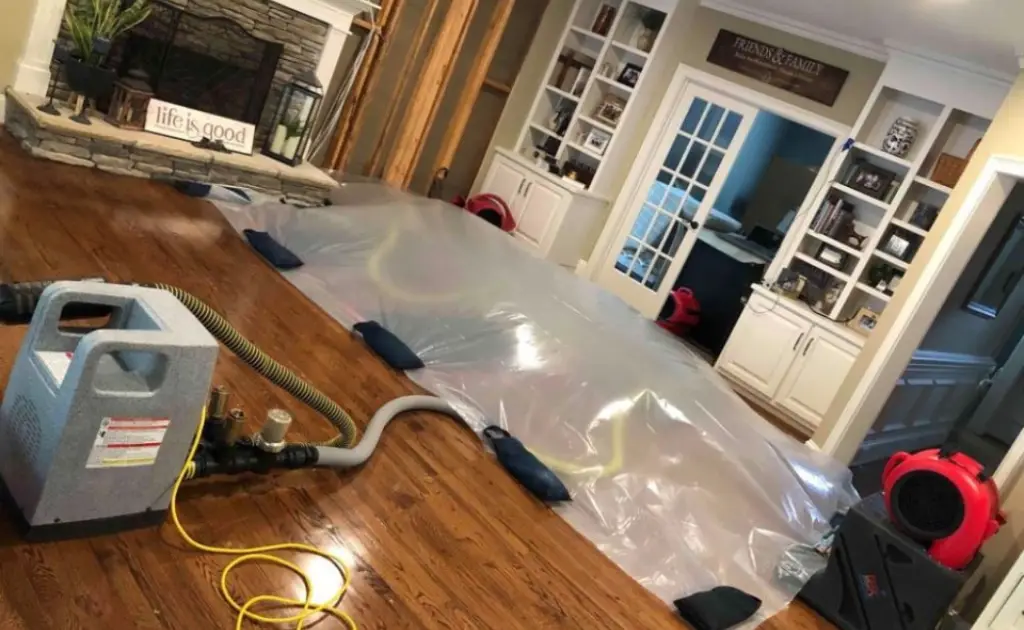
Burst pipes, basement flooding, and appliance failures move fast. Our water damage restoration team extracts water and restores your property before mold sets in.

Floodwater carries contaminants deep into structural materials. Our floodwater damage restoration team arrives within 30 minutes and begins extraction and drying immediately to limit damage and document your insurance claim.

Soot and smoke residue continue damaging surfaces long after flames are extinguished. Professional fire damage restoration covers smoke cleanup, soot removal, odor elimination, and full structural restoration available 24/7.

Sewage backup is a Category 3 biohazard that requires a professional Raw Sewage Cleanup service to handle safely. Our certified team removes contaminated materials, disinfects all affected areas, and restores your property to safe, habitable condition.

After fire, storm, or break-in damage, exposed openings invite weather intrusion and theft. Our Board-Up Services secure your property immediately before further damage or loss occurs.

Our Air Duct Cleaning service removes smoke, mold spores, and post-damage contaminants that circulate through your duct system every time your HVAC runs. We clean and restore your duct system to safe air quality standards.
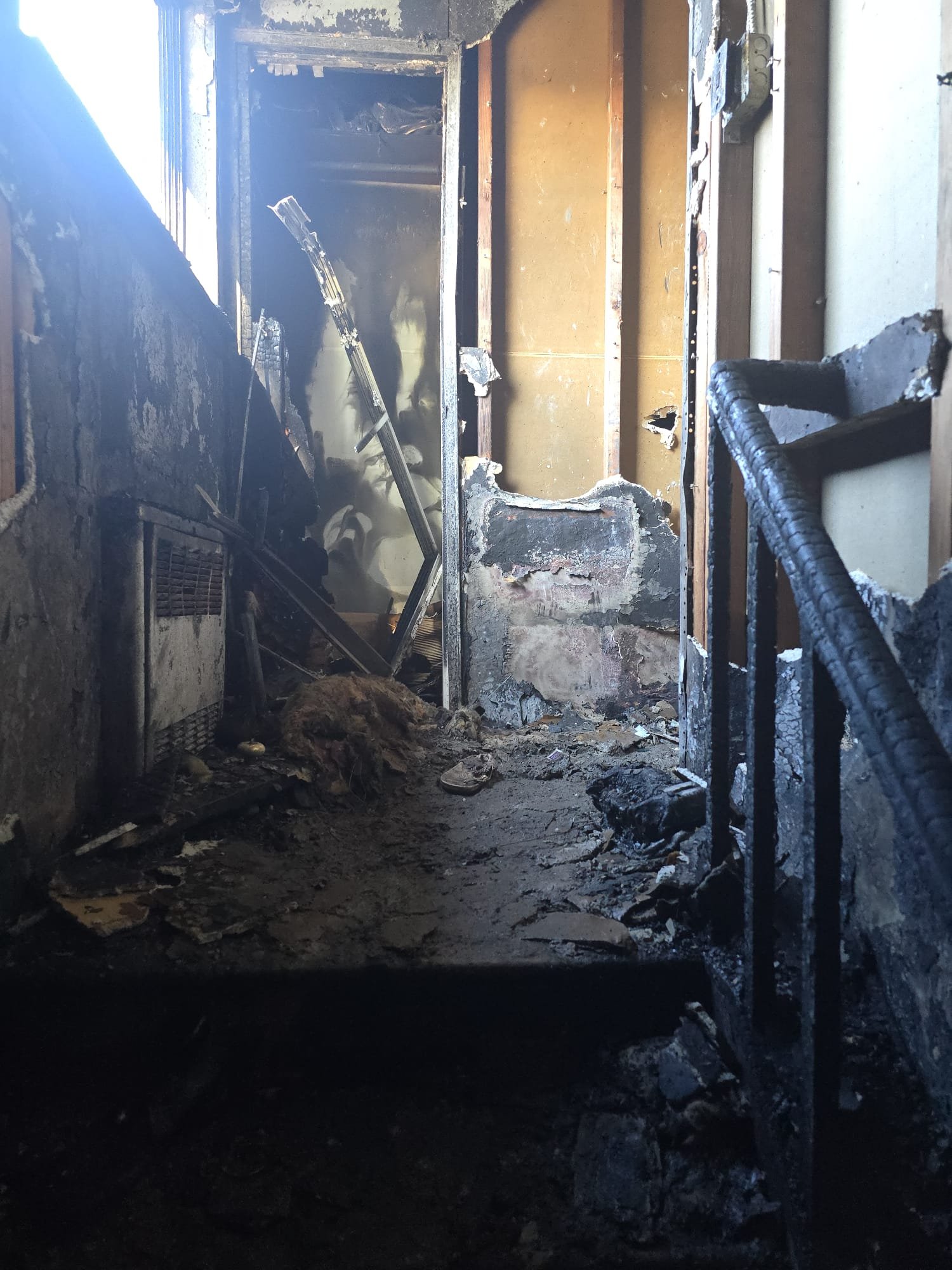
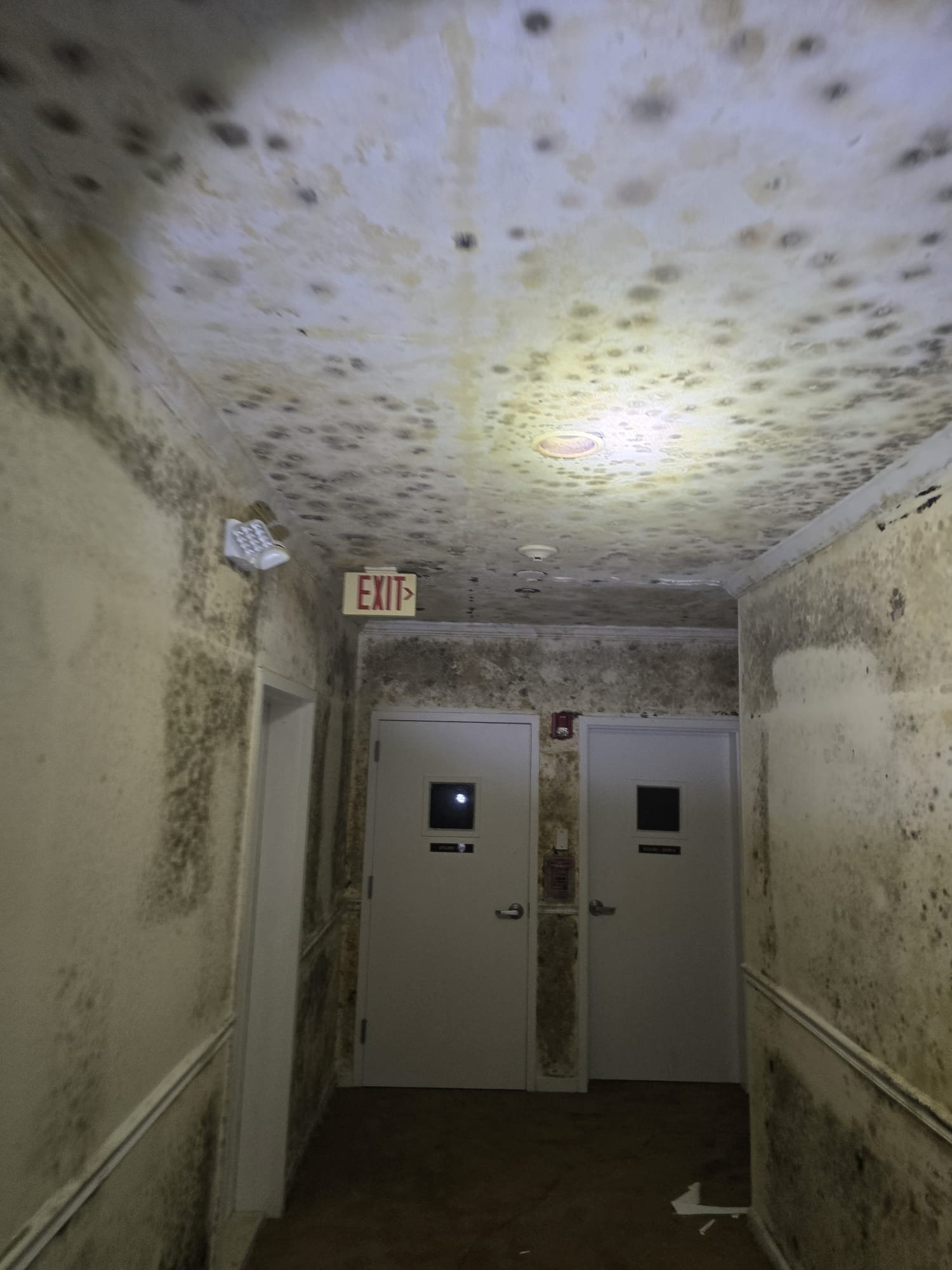
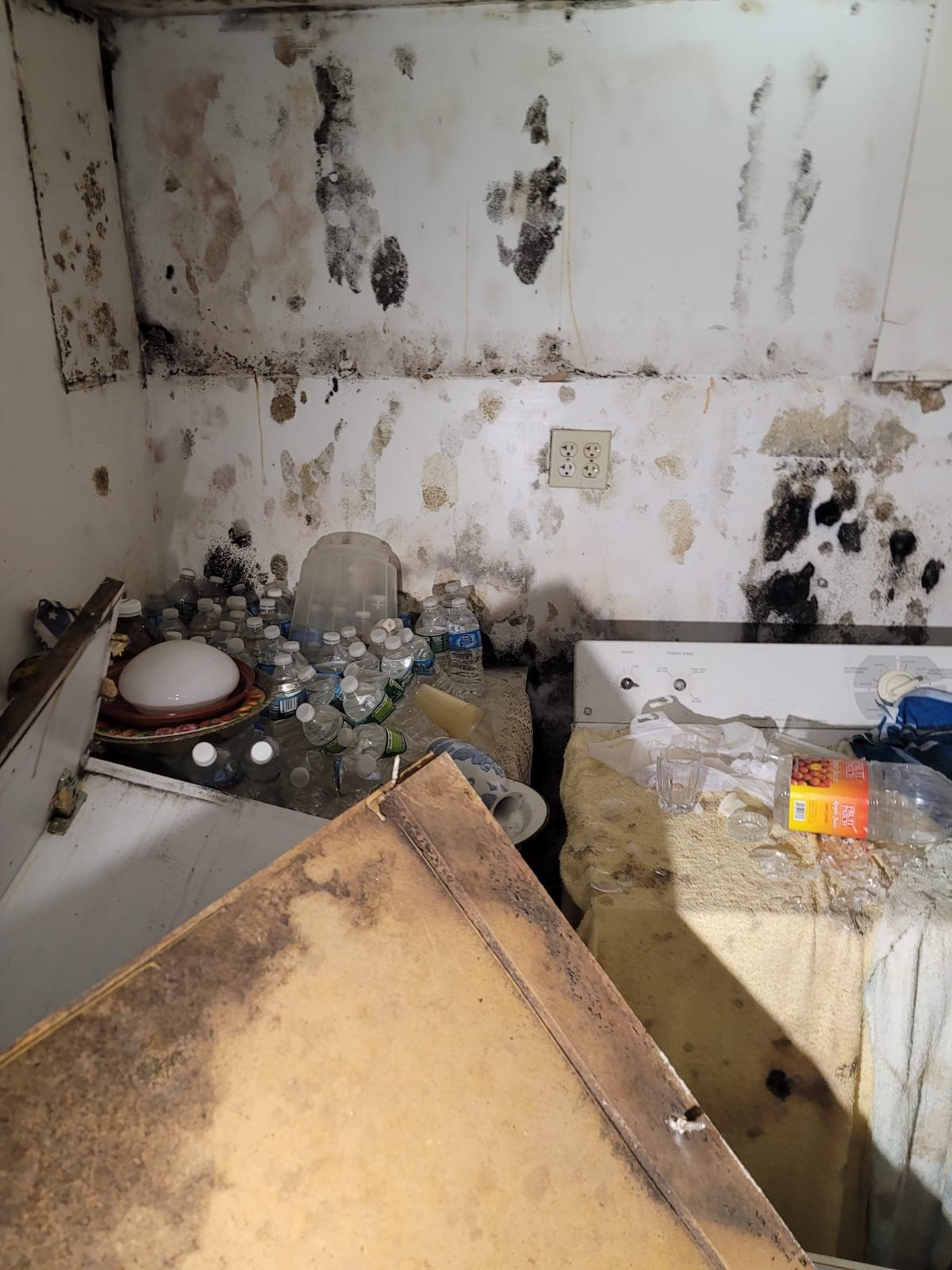
From basement mold in Nassau County two-family homes to wall cavity mold in pre-war Brooklyn brownstones and bathroom mold in Queens apartments, Golden Touch Restoration Specialist has remediated mold across every property type in New York. Browse our before-and-after gallery to see the scope of mold removal and remediation work our team handles every week.
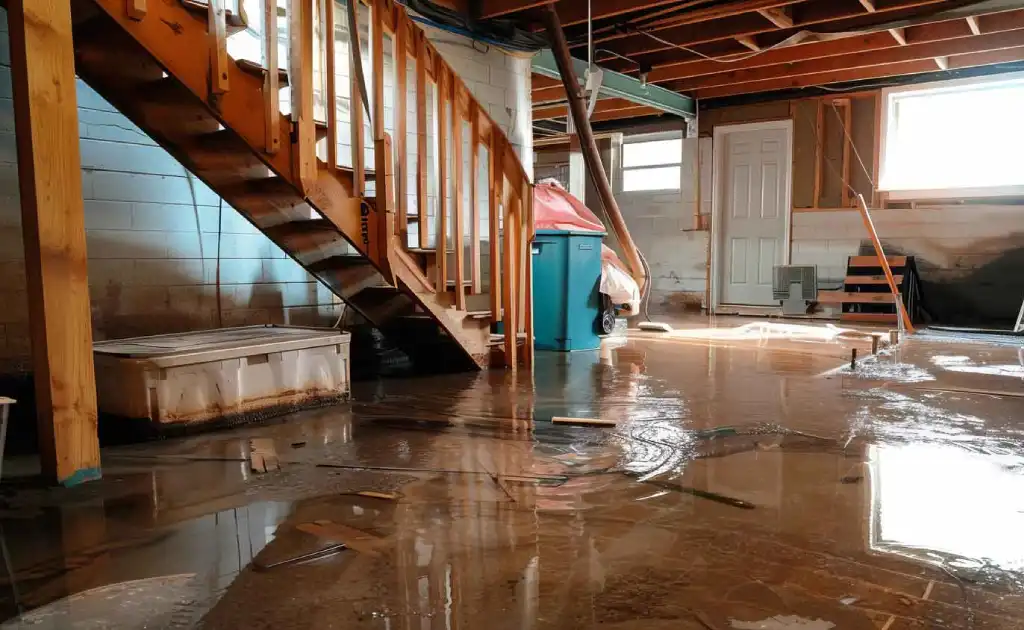

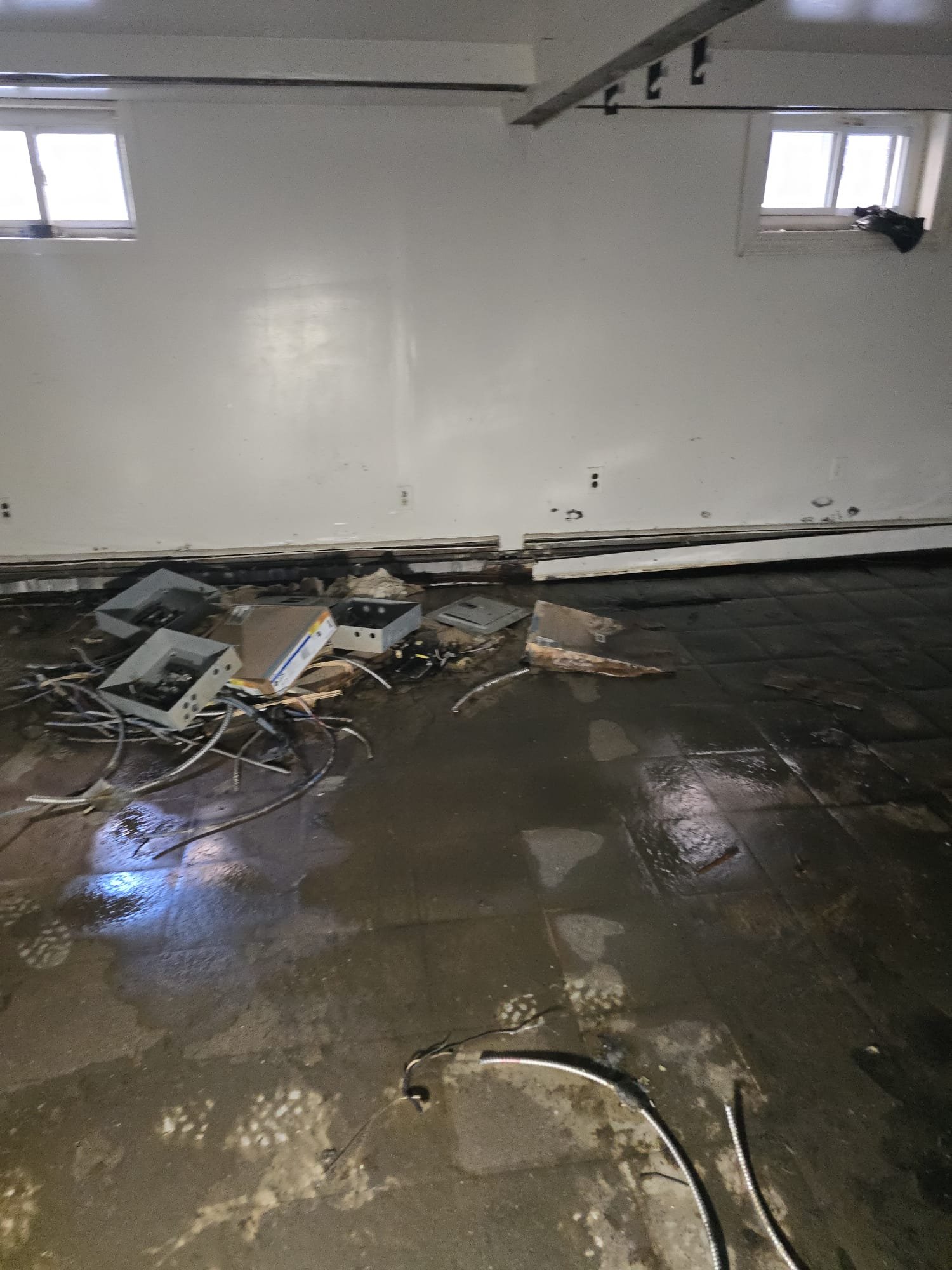


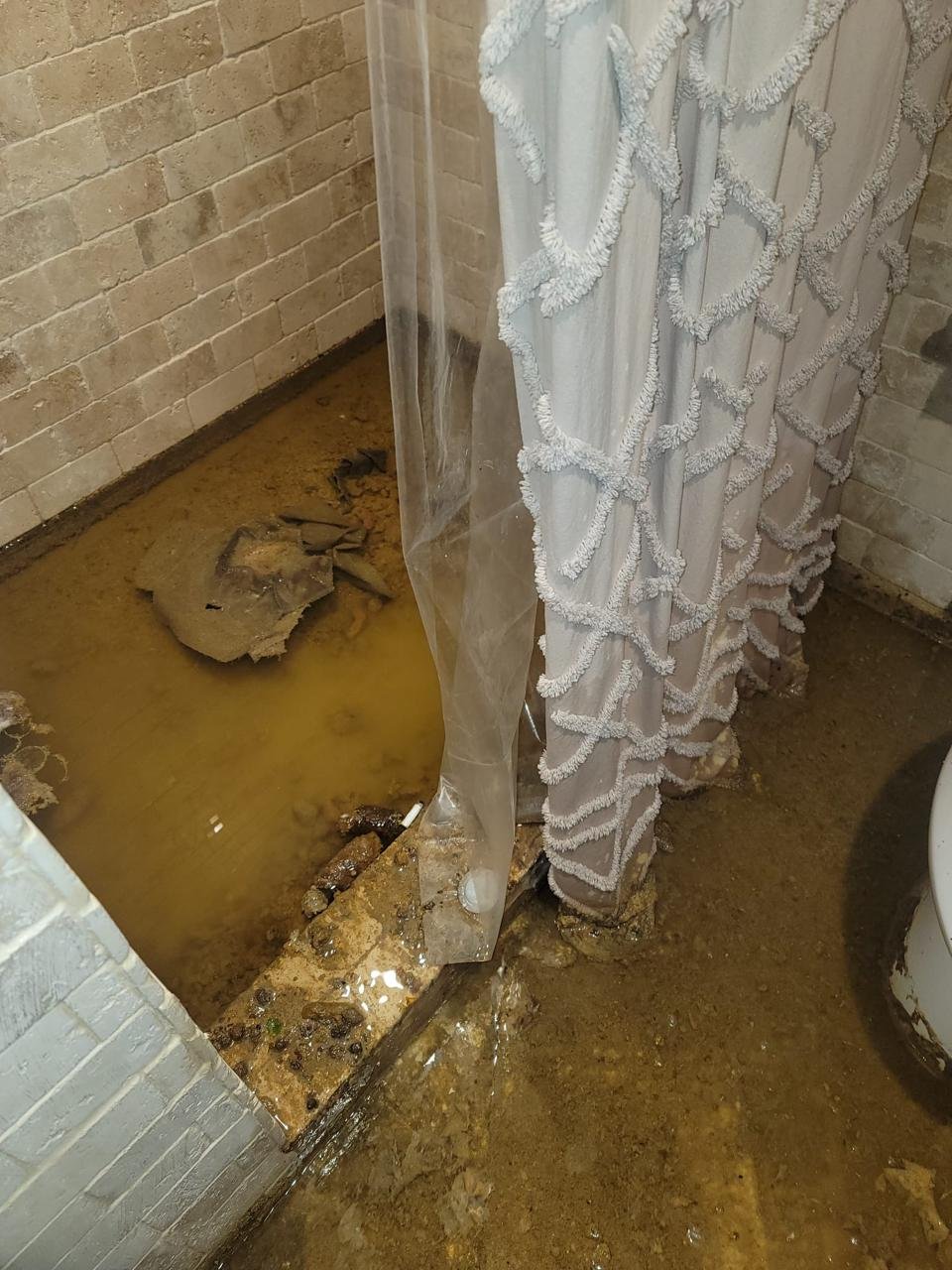

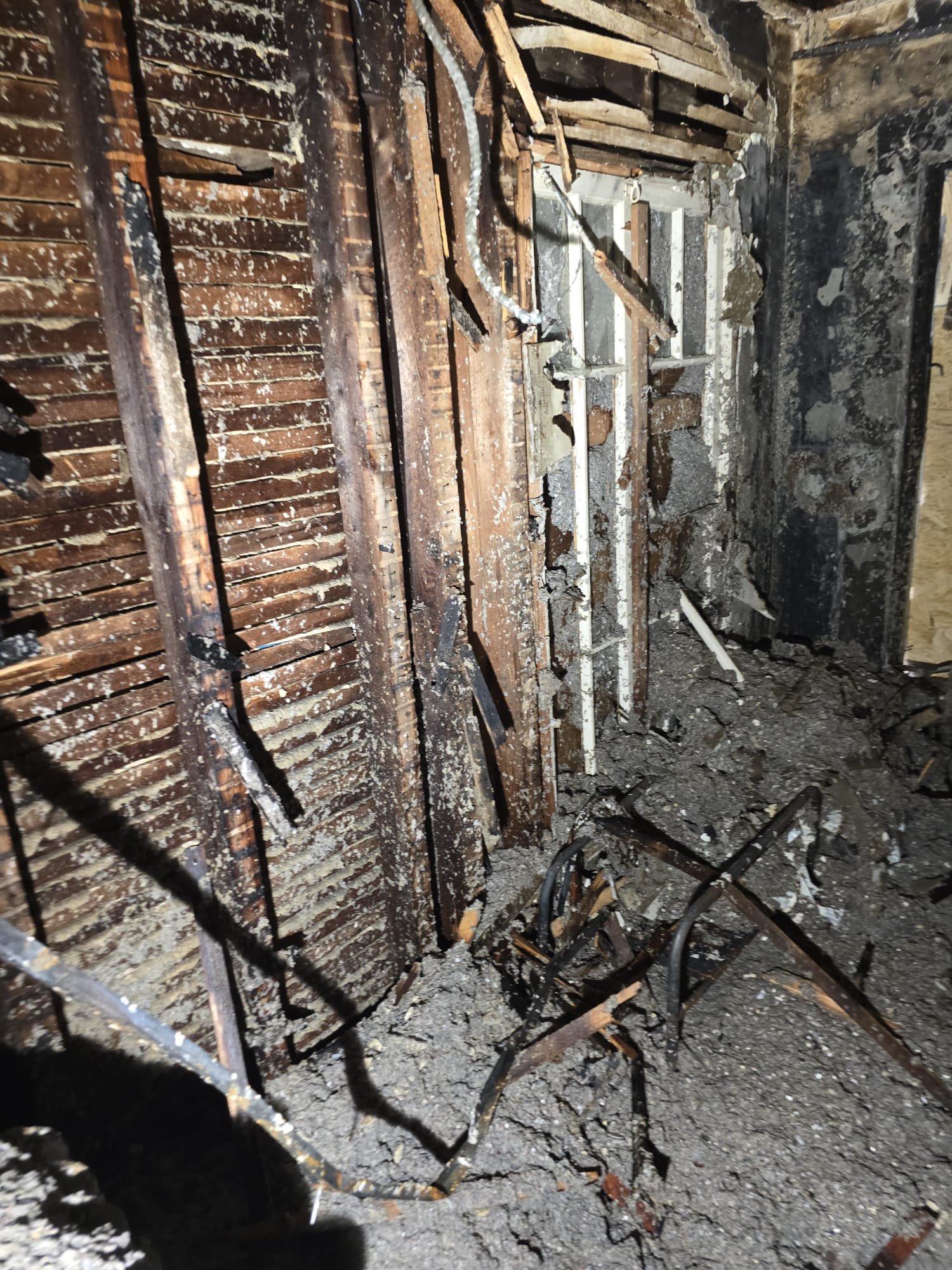
Questions about mold removal, remediation, costs, health risks, or New York regulations? Answers to the most common ones are below. For anything not covered here, call us directly at (347) 551-8094.
Mold removal is the physical act of cleaning visible mold from a surface. Remediation is the complete professional process: containment, full material removal, moisture source correction, air quality testing, and rebuild. Our post on mold removal vs mold remediation explains the distinction clearly and why remediation without moisture correction guarantees the mold returns.
Mold can begin developing within 24 to 48 hours of water exposure. In New York properties with limited ventilation and high ambient humidity, establishment can occur even faster. Our post on how quickly mold can grow explains the growth timeline and why structural drying to verified dry standard - not just surface drying - is the only reliable prevention after a water event.
Black mold (Stachybotrys chartarum) produces mycotoxins associated with more serious health effects than common mold varieties, including chronic respiratory problems and neurological symptoms. However, all significant mold growth in occupied spaces poses health risks and requires professional remediation. Our post on black mold vs regular mold covers the health differences and why any visible mold growth warrants professional inspection.
Yes. Mold spores are inhaled continuously in a property with active mold growth, causing respiratory symptoms, allergy flare-ups, sinus infections, headaches, and fatigue. Children, the elderly, and anyone with asthma, allergies, or compromised immune function are most vulnerable. According to the EPA mold health guidance, exposure to mold in indoor environments is linked to a range of adverse health effects, and the EPA recommends that all significant indoor mold growth be remediated by trained professionals using proper containment protocols.
For small, isolated surface mold in non-porous areas - such as a small spot on a tile - standard cleaning may be adequate. For mold in drywall, insulation, wood framing, or any area larger than 10 square feet, DIY removal is not recommended and in New York State is legally restricted. Our post on the dangers of DIY mold removal explains why household cleaning products do not fully kill mold colonies, how DIY attempts typically spread spores to new areas, and what the NYS Article 32 licensing requirement means for homeowners and contractors.
A musty odor, recurring allergy symptoms, or visible water staining without visible mold growth all suggest hidden mold in wall cavities or structural materials. Our post on signs of mold in walls covers the specific indicators that hidden mold is present and when a professional inspection with moisture mapping is warranted.
Insurance coverage for mold depends heavily on the cause. Mold resulting from a sudden covered water event - such as a burst pipe - is typically covered. Mold from gradual moisture buildup, maintenance neglect, or pre-existing conditions is usually excluded. We work directly with your insurance company, document the cause and scope thoroughly, and ensure you receive the maximum coverage your policy allows. Call (347) 551-8094 to discuss your specific situation.
New York State regulates mold assessment and remediation under Article 32 of the Labor Law. Any contractor performing mold assessment or remediation on a property where the affected area exceeds 10 square feet must hold a valid NYS DOL license. The NYC Housing Maintenance Code requires landlords to address mold conditions in rental properties. HPD violations can be issued for unaddressed mold. Our post on EPA mold remediation standards covers the federal guidance framework that complements New York State requirements.
Based at 20 Sewanee Ave in Elmont, NY 11003, Golden Touch Restoration Specialist provides mold removal and remediation services across all five NYC boroughs and Nassau County. We serve Queens, Brooklyn, Manhattan, The Bronx, and Staten Island, as well as Nassau County communities including Elmont, Floral Park, Franklin Square, Bellerose, Great Neck, Lynbrook, Manhasset, Garden City Park, and many more.
Mold questions answered. Our guides cover what mold looks like, how it grows, how to identify it, and everything you need to know before calling a professional.
It’s 1:30 in the morning in Flushing, Queens. A supply line behind the wall has failed. Water is running down…
Water damage moves fast. The moment a pipe bursts or a basement floods, moisture starts spreading into walls, floors, and…
Sewage backup is the water damage emergency most homeowners are least prepared for. Unlike a burst pipe, which is typically…
Call Golden Touch Restoration Specialist at (347) 551-8094 for a free mold inspection anywhere in New York City or Nassau County. Our certified, NYS-licensed team assesses the full extent of the problem, identifies the moisture source, and provides clear pricing before any work begins.