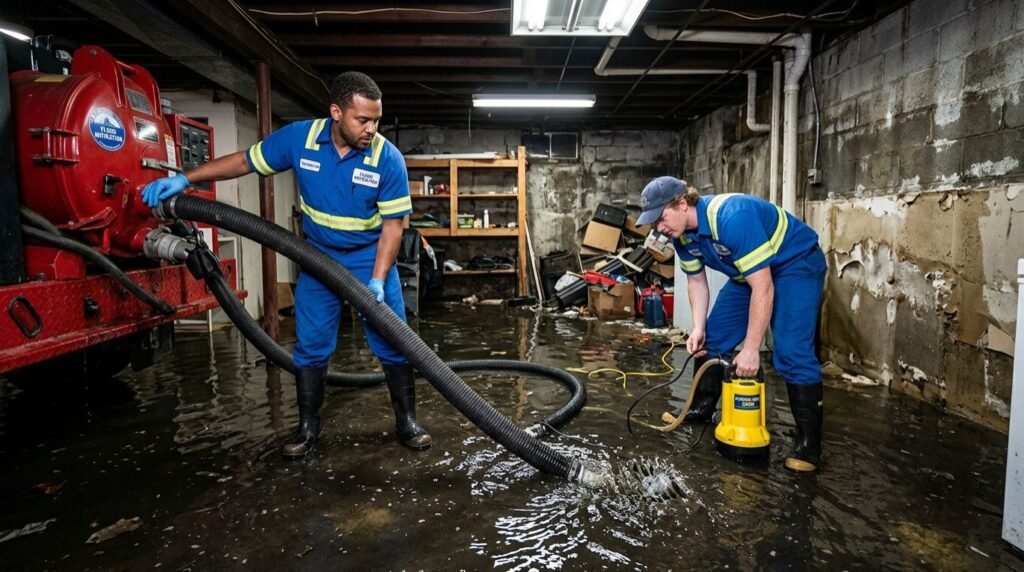
Finding mold in your home is alarming. Most homeowners immediately ask the same question: is this the dangerous kind?
Not all mold is equally harmful. Black mold (Stachybotrys chartarum) produces toxins that regular mold types do not. But some common household molds still cause real health problems, especially for children, elderly family members, and anyone with asthma or a weakened immune system.
This guide explains what separates black mold from regular mold, what each type does to your health, and what to do when you find either one in your New York home. For additional context on mold biology and how it spreads through buildings, see our overview on understanding mold.
By the end, you will know:
- What black mold is and why it is different from other molds
- The health risks of common household mold types
- How to identify mold by appearance, location, and smell
- When to clean it yourself and when to call a professional
What Is the Real Difference Between Black Mold and Regular Mold?
Black mold is a specific species called Stachybotrys chartarum. Regular mold is a broad category that includes hundreds of species such as Cladosporium, Penicillium, Aspergillus, and Alternaria. The key difference is not color. It is whether the mold produces toxins.
Most common household molds are allergens. They cause sneezing, congestion, and itchy eyes. They are a real problem for people with asthma or mold sensitivities, but they are not classified as toxic the way Stachybotrys is.
Stachybotrys produces compounds called trichothecene mycotoxins. These can affect the respiratory system and nervous system. The CDC and EPA both recognize this species as a greater health risk than most other indoor molds, particularly after flooding or long-term water damage.
Color alone cannot confirm what type of mold you have. A dark mold on your wall could be harmless Cladosporium or toxic Stachybotrys. The only way to know for certain is professional testing.
Why Does Mold Color Not Tell the Whole Story?
Many homeowners assume any dark mold is black mold. This leads to two common mistakes. You either panic unnecessarily or dismiss a real risk.
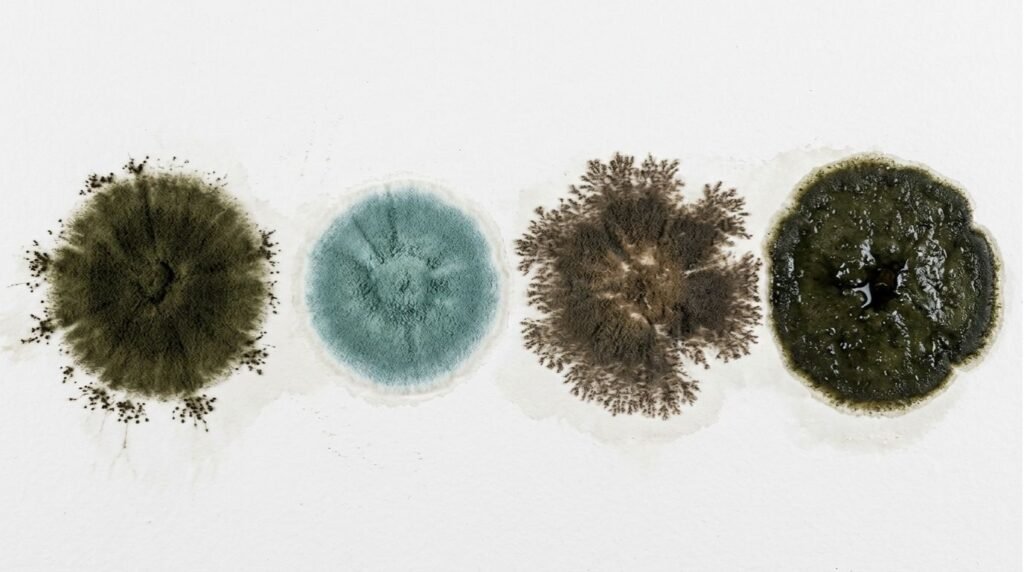
Cladosporium often appears black or dark green but does not produce mycotoxins. Alternaria is dark brown or green and is one of the leading triggers of allergic asthma in children. Aspergillus can appear white, yellow, or gray, yet some strains produce aflatoxins that are far more dangerous than their appearance suggests.
Understanding the difference between mold vs. mildew is also important, since mildew is commonly mistaken for surface mold and treated incorrectly. Color is a starting point, not a diagnosis. When in doubt, test.
Common Household Molds and What They Do to Your Health
Not every mold in your home carries the same risk level. Here is a plain-language breakdown of the species most commonly found in New York homes.
Cladosporium
Cladosporium is one of the most widespread indoor molds. It appears black, green, or brown and grows on wood, textiles, and damp surfaces. In New York homes, it shows up in bathrooms, under carpets, and around window frames. It is an allergen, not a toxin producer. Reactions include nasal congestion, coughing, and skin rashes. People with asthma tend to have more frequent flare-ups when exposed.
Penicillium
Penicillium is blue or green and spreads quickly on water-damaged materials like insulation and carpet. It produces a strong musty odor that often appears before you can see the mold. Some strains produce ochratoxins, which in high concentrations have been linked to organ stress. Prolonged exposure in a closed space is not safe, even if symptoms seem mild at first.
Aspergillus
Aspergillus appears in many colors including gray, green, and white. For healthy adults, it usually causes allergic reactions. For people with weakened immune systems, it can cause a serious lung infection called aspergillosis. The New York State Department of Health advises high-risk individuals to avoid areas with confirmed mold growth entirely.
Alternaria
Alternaria is dark green or brown and thrives in damp bathrooms and under sinks. It is one of the most common triggers of allergic rhinitis and asthma attacks in urban areas. Children with asthma are particularly sensitive to Alternaria exposure.
Stachybotrys Chartarum
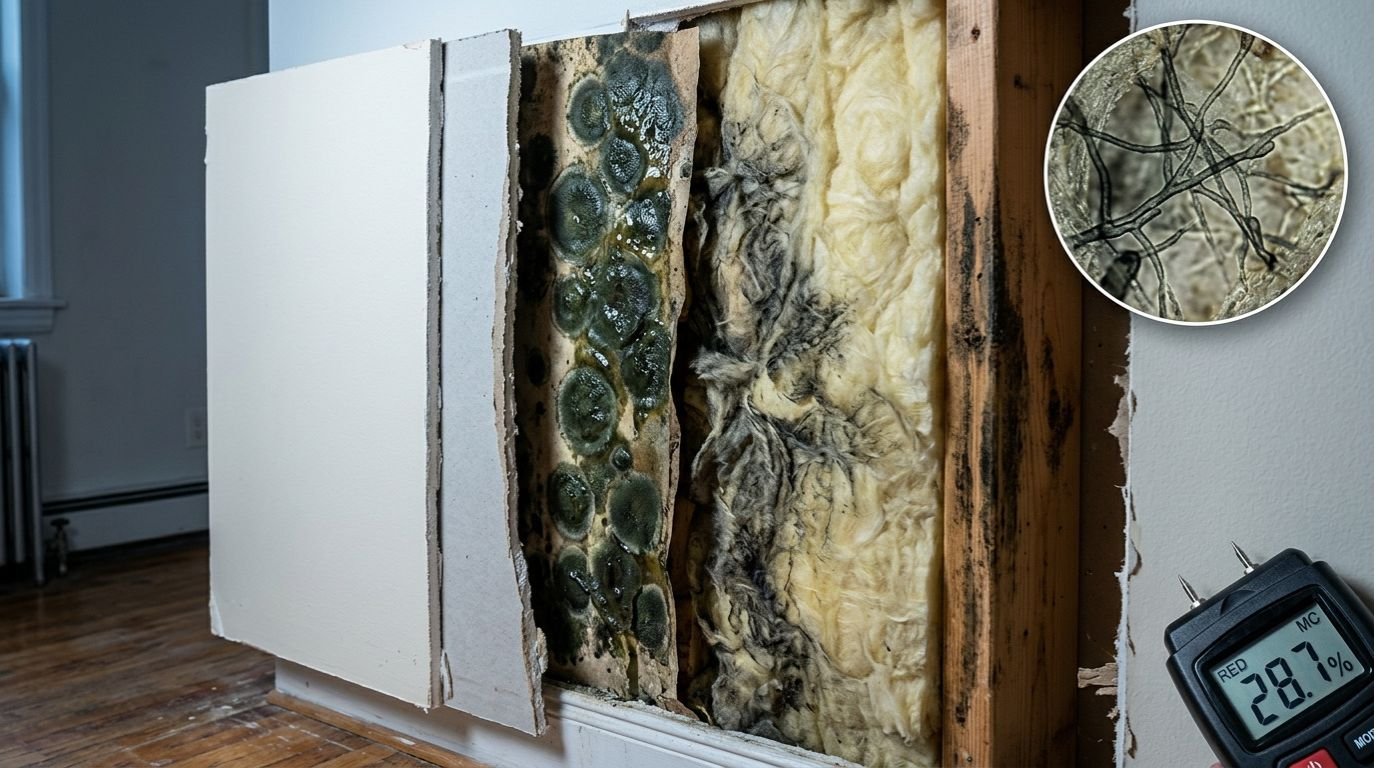
This is the species people mean when they say toxic black mold. It is greenish-black, slimy when wet, and has a strong earthy odor. It grows almost exclusively on cellulose-rich materials like drywall, wood paneling, and ceiling tiles that have stayed wet for a long time. It spreads more slowly than other molds because it needs sustained moisture. That also means it tends to grow in hidden places, behind walls, under floors, or in crawlspaces, where damage has been building up unnoticed.
What Are the Health Effects of Black Mold Exposure?
The health impact of toxic black mold exposure depends on how much is present, how long you have been exposed, and the age and health of each person in the home.
Respiratory symptoms come first. These include persistent coughing, wheezing, chest tightness, and shortness of breath. In infants, Stachybotrys has been linked in some cases to pulmonary hemorrhage, or bleeding in the lungs. This is rare, but it is a reminder that symptoms in very young children should never be ignored.
Neurological effects are less commonly discussed but are real. People with long-term exposure report headaches, fatigue that does not improve with rest, difficulty concentrating, and mood changes. These symptoms overlap with many other conditions, which is why mold is sometimes not identified as the cause for months.
Skin and eye irritation are also common. Redness, rashes, and watery eyes tend to improve when the person leaves the home and return when they come back. That pattern is a strong indicator that the home environment is the source.
Family members at the highest risk include infants, elderly adults, people with asthma or chronic respiratory conditions, pregnant women, and anyone with a compromised immune system. If any of these people live in your home, the bar for getting a professional inspection should be low. The EPA mold health guidance provides additional detail on exposure thresholds and health responses.
How to Identify Mold by Appearance, Location, and Smell
You cannot confirm a mold species just by looking, but what you observe tells you how urgent the situation is.
Stachybotrys is slimy when wet and powdery when dry. It usually grows in overlapping circular patches. Common molds like Cladosporium and Alternaria tend to look fuzzier or more velvety. Penicillium has a distinctive blue-green color with a velvet-like surface. For a practical walkthrough on how to identify and remove mold by type and surface, see our dedicated guide.
Where mold is growing matters as much as what it looks like. Finding dark mold on drywall or wood after a leak or flood is a reason to take action quickly. Knowing the signs of mold in walls helps you find it before it spreads further.
A strong, persistent earthy smell you cannot locate visually is worth investigating. This often means mold is growing inside a wall or under flooring. The only way to confirm the species is a professional air quality test or surface swab sent to a laboratory. Notice a stain spreading on your ceiling? These are the ceiling water damage signs that mean it’s time to call a pro.
When to Clean It Yourself and When to Call a Professional
Small patches of surface mold under 10 square feet on non-porous surfaces like bathroom tile can often be cleaned by a homeowner using diluted bleach and proper protective equipment. Wear gloves, an N-95 mask, and eye protection. Dry the area completely and fix the moisture source afterward.
Do not use this approach on drywall, insulation, or wood. Porous materials absorb mold deeply, and surface cleaning leaves the problem in place. Our guide on DIY mold removal dangers walks through the specific risks of attempting self-remediation on porous building materials.
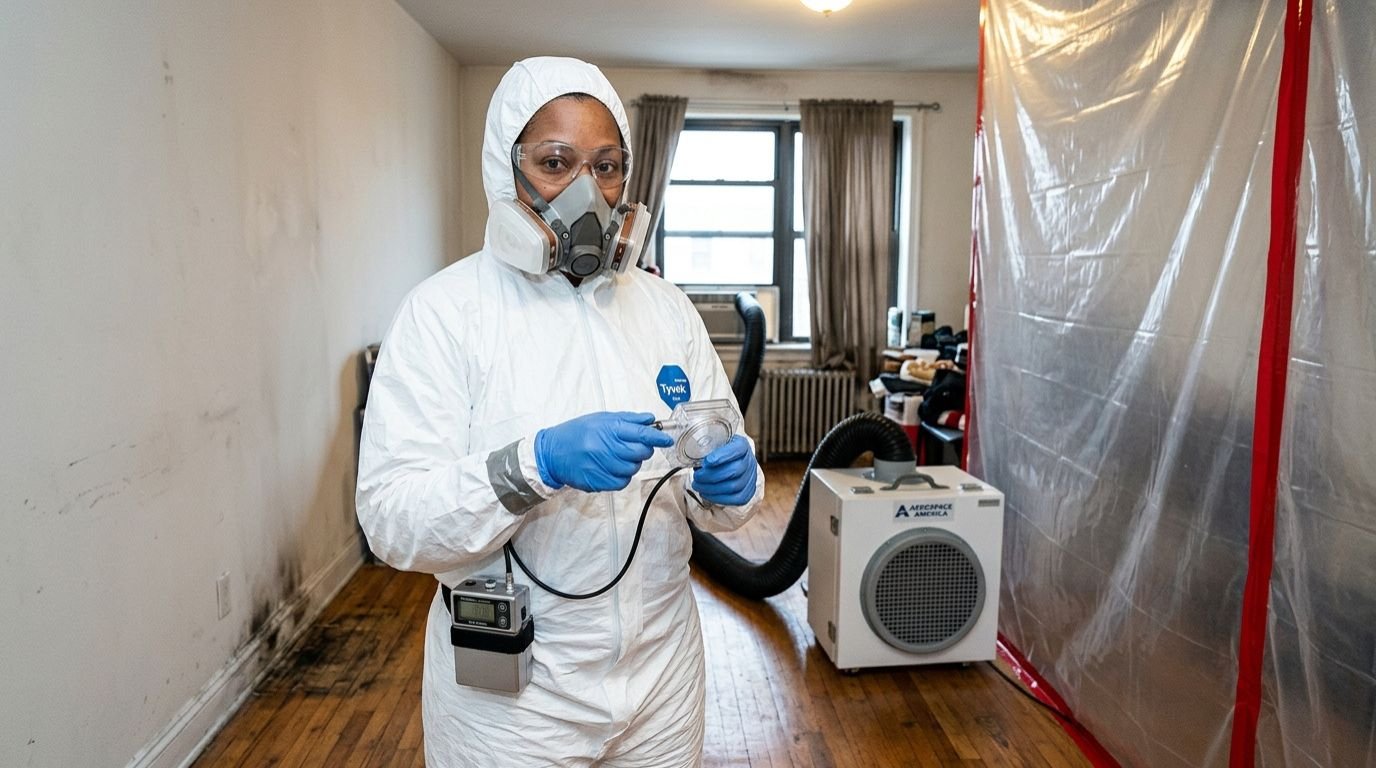
Call a professional when the affected area is larger than 10 square feet, when mold is on drywall or structural materials, when family members have unexplained respiratory symptoms or fatigue, when you smell mold but cannot find it, or when the home has experienced flooding or a significant water event.
For a clear comparison of what mold removal vs. mold remediation each involves, see our breakdown of when each approach applies and what the professional process looks like.
Disturbing a large mold colony without proper containment releases huge numbers of spores into the air. This spreads contamination to areas that were previously clean and significantly increases your family’s exposure. Ever heard of moisture mapping? It’s the hidden technology restoration pros use learn what moisture mapping for water damage actually means.
Why Do NYC Property Owners Choose Golden Touch for Mold Removal?
Golden Touch Restoration Specialist serves homeowners across all five NYC boroughs and Nassau County, 24 hours a day, 365 days a year.
- Certified remediation process following EPA and IICRC standards, from inspection through final clearance testing
- 24/7 emergency response for flooding, water damage, and mold situations that cannot wait
- 2,500+ completed projects and a 5-star Google rating based on 89 New York homeowner reviews
- Free consultation at (347) 551-8094 before the problem grows
For a deeper look at what our mold remediation EPA standards process involves from initial inspection to post-remediation clearance, see our detailed guide.
Frequently Asked Questions
Is all black-colored mold dangerous?
No. Cladosporium and Alternaria both appear dark and are common allergens, but they do not produce mycotoxins. Toxic black mold (Stachybotrys chartarum) is a specific species confirmed only through professional testing, not by color. Understanding can mold grow on concrete and similar surface-specific questions helps you assess risk by location, not just appearance.
How fast can mold grow after water damage?
Mold can begin growing within 24 to 48 hours of a surface staying wet. Stachybotrys takes longer to establish than faster-spreading species, but it can grow significantly within weeks once conditions are right. See our post on how quickly mold grows for a timeline breakdown by material type.
Can I remove black mold myself?
Small patches on non-porous surfaces can be managed with proper protective gear. Any suspected Stachybotrys on drywall or wood should be handled by a certified professional. Disturbing it without containment spreads spores throughout the home. Read our guide on DIY mold removal dangers before attempting any self-remediation beyond surface tile cleaning.
What symptoms suggest mold exposure?
Coughing, sneezing, nasal congestion, and watery eyes are common allergen-level symptoms. Black mold exposure can also cause headaches, fatigue, and difficulty concentrating. Symptoms that improve when you leave home and return when you come back are a strong clue.
How do I know if mold is growing inside my walls?
A persistent musty smell with no visible source, peeling paint, staining on walls or ceilings, and warped drywall are all warning signs. Knowing the signs of mold in walls before calling a professional gives you a clearer picture of what to report and where to direct the inspection.
All mold is worth taking seriously, and none of it belongs in a home where your family breathes the air every day. Stachybotrys chartarum is genuinely more dangerous than common household molds because of the toxins it produces. Other species like Aspergillus and Penicillium can also cause real harm depending on concentration and duration of exposure. The smart approach is to identify what you have, address the moisture source, and remediate thoroughly rather than superficially.
Contact Golden Touch Restoration Specialist today. The team covers all five NYC boroughs, Nassau County, and surrounding areas. Call (347) 551-8094 or email restorationspecialistnyc@gmail.com to schedule a free assessment.
Concerned About Mold in Your NYC Home? Get a Free Assessment Today.
Water damage does not wait, and neither should you. Every hour without professional response increases repair costs and health risk. One call reaches a certified team that can be at your door within 30 minutes.
Do not wait to find out how bad it is. Reach out now for your free consultation.
Call Now: (347) 551-8094 | Available 24/7/365
Free consultation. No obligation. Serving Queens, Brooklyn, Manhattan, The Bronx, Staten Island, Elmont, Floral Park, Franklin Square, Valley Stream, and all surrounding Nassau County communities.
Trust Signals: 99% Satisfaction Rate | 2,500+ Projects | All 5 NYC Boroughs